Key West Snorkeling: Complete Guide
A quick look at Key West snorkeling reveals hidden reefs, shore-entry secrets, and one mistake that could ruin your entire day.
You can drift over coral, scan for turtles, and slip into clear blue water just minutes from Key West. Some of the best snorkeling waits 3 to 7 miles offshore at reefs like Dry Rocks and Sand Key, while shore spots such as Fort Zachary Taylor give you fish, seagrass, and a rocky edge to explore without boarding a boat. The trick is knowing which trip, tide, and gear will give you the good stuff.
Choose your Key West water trip before choosing the beach day.
If clear water and fish are the goal, a boat trip usually beats staying onshore. Compare reef and sandbar options before setting the rest of the itinerary.
Browse reef trips →Key Takeaways
- The best Key West snorkeling reefs lie 3–7 miles offshore in about 10 feet of water, including Dry Rocks, Rock Key, Sand Key, and Western Sambos.
- Expect typical in-water visibility of 15–30 feet and temperatures from 68°F to 85°F; late spring through early fall offers the warmest, clearest conditions.
- Fort Zachary Taylor is the top shore snorkeling spot; enter on the east side and stay inside buoy lines for safer drifts.
- Tour choices include large social catamarans, smaller dive boats with more reef time, and private charters for flexible, longer snorkeling stops.
- You may see parrotfish, angelfish, snapper, turtles, rays, and nurse sharks; use reef-safe sunscreen and never touch coral or wildlife.
Where Are the Best Key West Snorkeling Spots?
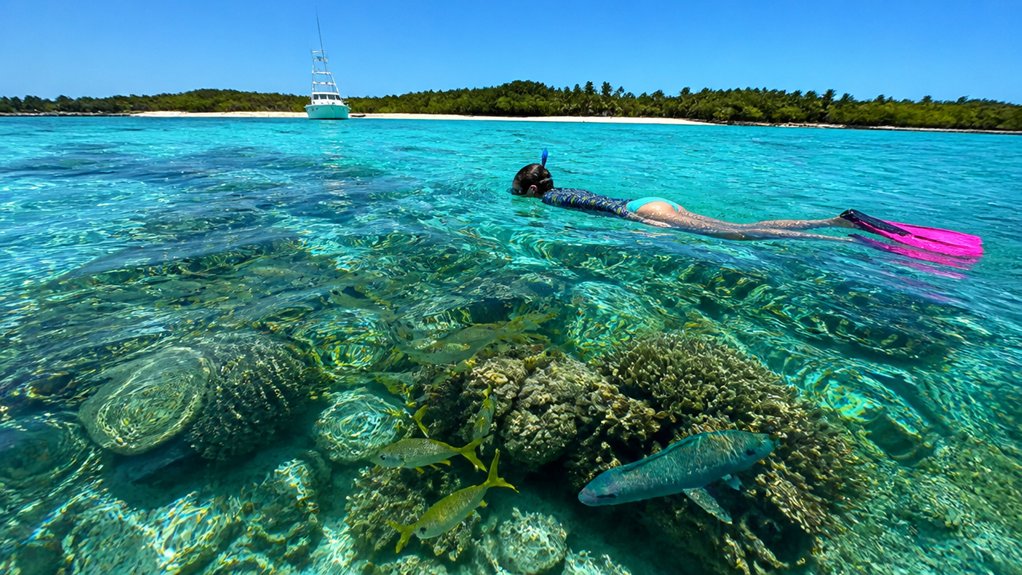
Where should you start if you want the best snorkeling in Key West? For standout Key West Snorkeling, head offshore. The top reef sites usually sit 3 to 7 miles out in about 10 feet of water. Boats often rotate between Eastern Dry Rocks, Western Dry Rocks, Rock Key, Western Sambos, Cottrell Key, and Sand Key Lighthouse. If you’re deciding between reef snorkeling and sandbar snorkeling, reefs usually offer more marine life and structure to explore.
Sand Key stands out because you get more dramatic underwater contours and slightly deeper sections, not just small patch reefs dotted with boats. Visibility changes fast, averaging about 20 feet and reaching 30 on a lucky day, so captains often hit two spots per trip. If you want an even bigger wow, consider Dry Tortugas or Looe Key. Even Fort Zachary Taylor State won’t beat those offshore reefs for variety or fish life overall.
Can You Snorkel in Key West From Shore?
Yes, you can snorkel in Key West from shore, and Fort Zachary Taylor State Park is usually your best bet. You’ll also find shore snorkeling at Higgs Beach, but Fort Zachary Taylor State Park stands out because its manmade breaker rock piles attract more fish. Fort Zachary Taylor is also known for its beach and park access, which makes it an easy pick for combining snorkeling with a full day by the water.
From shore, visibility is often modest, around 20 feet and sometimes 30 on a clear day, so you shouldn’t expect the wow factor of offshore reefs. Still, the shallow water has its own charm. You might drift over shell and rubble bottom, pass seagrass beds, and spot sponges, baitfish, grunts, and snapper near dock or breakwater structure. Coral is limited, but the fish life keeps things lively. Think of it as easy access snorkeling with a little treasure-hunt energy for beginners.
Fort Zachary Taylor Snorkeling Tips
Start smart at Fort Zachary Taylor by entering on the eastern side near the rockpile, then let the usual east-to-west current carry you along the breaker rocks with less effort.
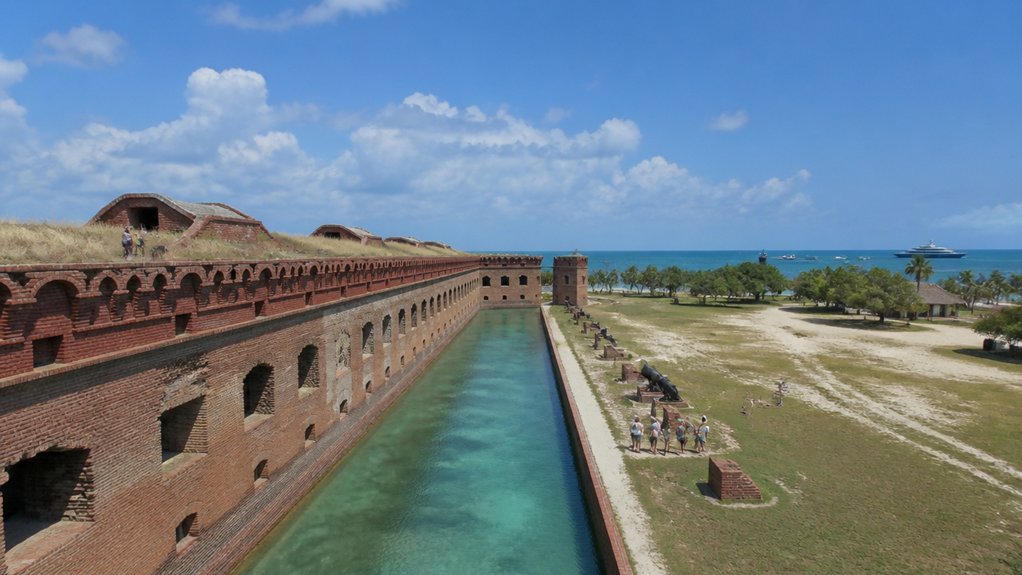
At Fort Zachary Taylor State Park, stay inside the swim buoy markers. Boats pass outside, and currents shift. Visibility may hover near 20 feet, with brighter 30-foot days. Stop at each pile, then zig-zag toward the buoy line to find more fish. If you want a land break after snorkeling, nearby Fort Jefferson is known for standout highlights and visit-planning appeal.
| View | Feel | Move |
|---|---|---|
| Silver baitfish flicker | Rough limestone scrapes | Drift west slowly |
| Green water turns clear | Fins beat softly | Look up often |
Need gear? Rent it on the beach after paying entry there. Wear a vest if open water feels sporty today.
How Key West Snorkeling Tours Work
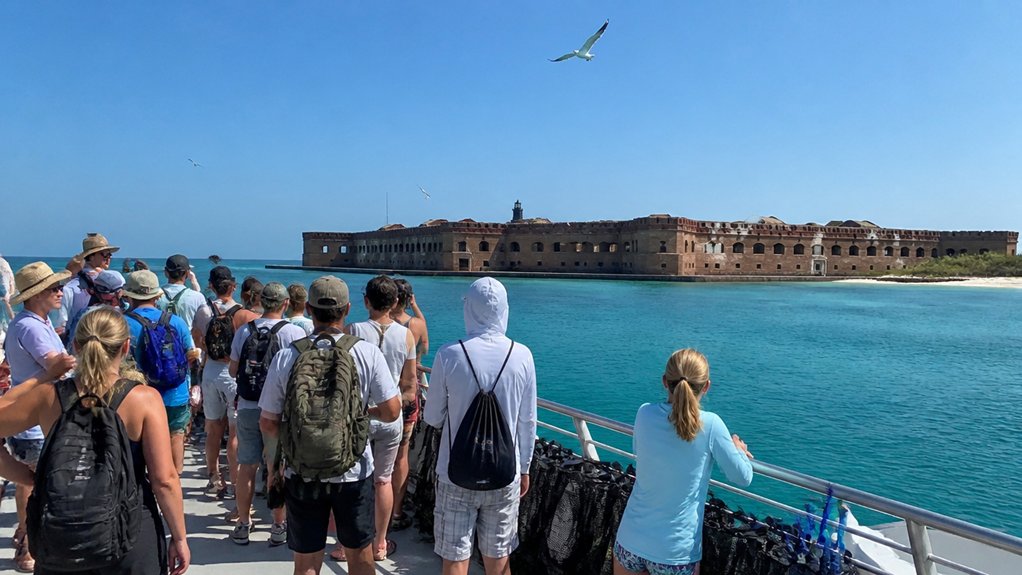
You’ll usually choose between a big snorkeling catamaran with a crowd and a smaller boat that gets you to the reef faster and keeps the group looser. On most trips, you head 3 to 7 miles offshore and stop at two reef sites, where the water often sits around 10 feet deep and the ladder clanks as people cycle back to the boat. You won’t always know the exact stop in advance, because crews often pick places like Sand Key or Eastern Dry Rocks that morning based on current, clarity, and whatever the water decides to do. Some operators also run scuba diving tours in Key West, which can be helpful to know if your group wants options beyond snorkeling.
Tour Types Explained
Because conditions change by the day, Key West snorkeling tours usually work like a moving target in the best way: captains leave from the marinas, head 3 to 7 miles offshore, and choose two reef stops based on the clearest water and calmest seas rather than promising one exact site.
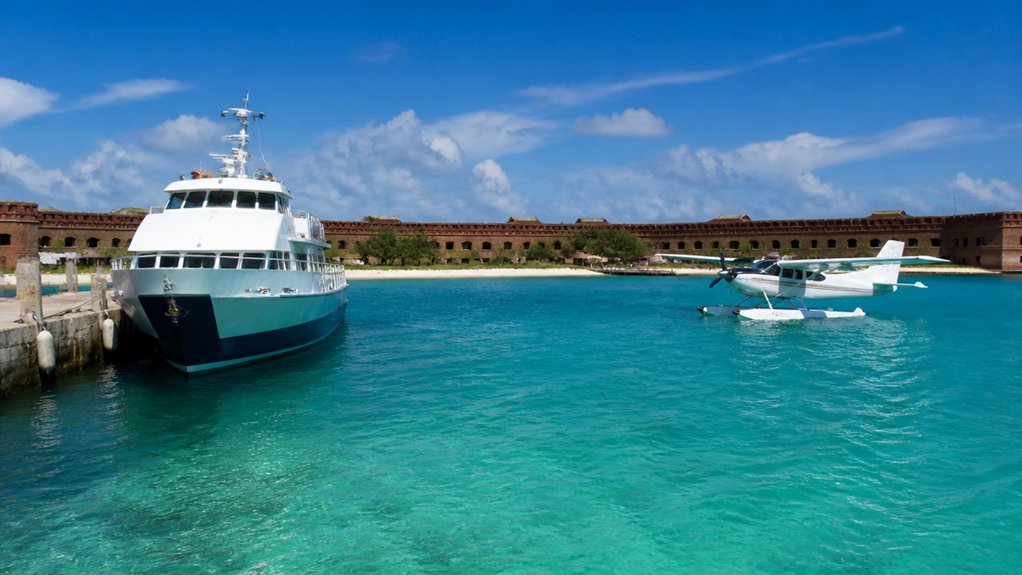
Your boat trip might hit Eastern Dry Rocks, Sand Key, Rock Key, or Marker 32, wherever visibility looks strongest. On big catamarans, you’ll join 40 people, wear a vest, and stay near the boat. Smaller dive boats run faster, carry fewer guests, and usually give you more reef time. If you want private snorkeling, charter a boat for up to six people and shape snorkeling in Key West around your pace and coral reefs. Travelers planning to explore beyond the reef often compare these trips with Dry Tortugas National Park, a remote island park reached by boat or seaplane.
Typical Trip Format
While every operator has its own routine, most Key West snorkeling tours follow a simple rhythm: check in at the marina, ride 3 to 7 miles offshore, then snorkel two reef spots chosen that day for the clearest water and calmest seas. Your boat type shapes the pace.
Compare snorkeling tours by reef, boat style and time in the water.
Key West snorkeling is mostly offshore, so the boat matters. Look at reef location, group size, gear and how much time you actually spend in the water.
Compare Key West snorkeling tours →| Boat | What you notice |
|---|---|
| Catamaran | More people, one ladder, shorter reef swims |
| Dive boat | Faster ride, smaller group, more time on the water |
| Extras | Some charters add a sandbar or shallow swim |
You’ll usually float above about 10 feet of water, peering through 15 to 30 feet of visibility. Many first-timers choose these trips as a gentle introduction to Key West scuba diving conditions before trying deeper water activities. If you snorkel from a head boat, expect brisker in-water sessions. On dive boats, comfort often improves and the reef feels less crowded. Mask up and smile.
Reef Site Selection
Although brochures love named reefs, most Key West snorkeling tours don’t lock in a specific stop ahead of time. You’ll usually visit two reefs, but captains choose them that morning by reading visibility, wind, currents, and weather. Sand Key Lighthouse often wins for healthier coral and better layout, while Eastern Dry Rocks, Western Dry Rocks, Marker 32, Rock Key, Western Sambos, or 9 Foot Stake may fit the day. Visitors planning both activities should note that Dry Tortugas from Key West requires separate transportation planning.
- Expect shallow reefs, often around 10 feet.
- Average visibility runs about 20 feet, with 30 on good days.
- Large catamarans feel social but crowded.
- small dive boats move faster and give you more reef time.
If you want flexibility and fewer fins in your face, book a private charter when possible.
How to Choose a Key West Snorkeling Trip
Choosing the right Key West snorkeling trip starts with one simple question: do you want a big social boat ride or more actual time in the water? If you prefer smaller groups and quicker runs to reef sites, book a dive boat. These trips often skip mandatory flotation vests and give snorkelers more time over the reef.
Most operators visit two locations on each snorkel trip, but they can’t promise exact stops. If certain reef sites matter, look for likely names such as Sand Key Lighthouse or Western Dry Rocks. If you’re new or want flexibility, a private charter lets you shape the day. You can split costs with friends, linger at one stop, or make quick swims. Bring good gear, use reef-safe sunscreen, and pick crews that respect marine park rules. Some travelers also pair snorkeling with a catamaran cruise for a more scenic, laid-back day on the water near Key West.
What You’ll See Snorkeling Key West
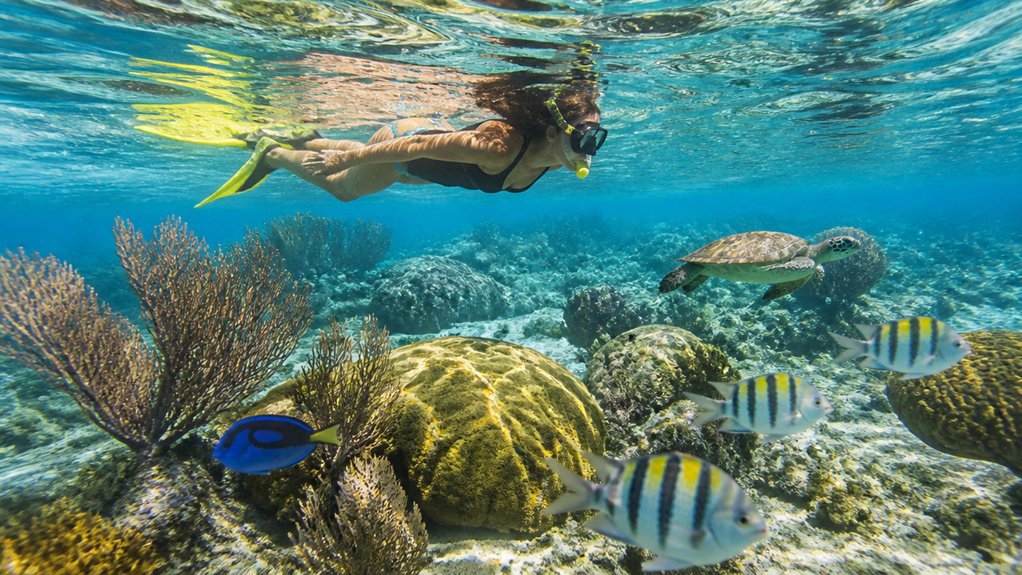
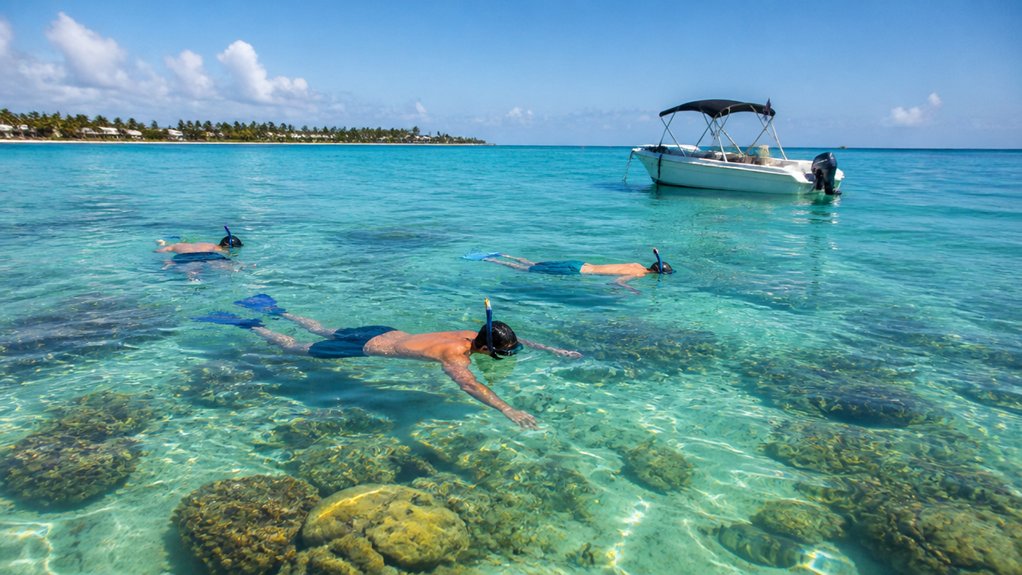
Two things make Key West snorkeling memorable: the color below you and the surprises moving through it. On the barrier reef, you’ll drift over brain and star corals, waving sea fans, and sponge gardens while bright marine life flashes past in blue water.
- Parrotfish, angelfish, sergeant majors, and snappers crowd patch reefs.
- Lobsters, conch, crabs, shrimp, and sea urchins hide in cracks.
- Green turtles, stingrays, nurse sharks, and eagle rays turn a calm swim thrilling.
- Offshore Key West sites like Sand Key often show the most variety in about 10 feet of water.
Visibility usually runs 20 to 30 feet, so Snorkeling feels like peeking through a giant aquarium window. Sometimes a barracuda hangs there like the reef’s quiet bouncer. Like the Florida Keys National Marine Sanctuary farther up the island chain, Key West’s reef environment rewards snorkelers with clear water, abundant marine life, and unforgettable underwater scenery.
What to Bring for Key West Snorkeling
Pack like you plan to stay in the water awhile, because the right gear makes Key West snorkeling feel easy instead of fussy. Bring Snorkel gear that fits well: a clear mask, a comfortable snorkel, and fins that match your style. Full-foot pairs suit warm days, while strap-on fins work with booties. Add reef-safe sunscreen or a UV rash guard since Water Temperatures run from about 68°F to 85°F. If you’re uneasy in open water, pack a lightweight flotation vest or life jacket. Bring a quick-dry towel, hat, reusable bottle, and small dry bag too. A waterproof camera with a lanyard helps you catch parrotfish, sea fans, and reef color without donating your gear to the Atlantic by accident one breezy afternoon out there. If your snorkeling plans include Dry Tortugas, bring extra water and sun protection since the park is mostly open water and is reached only by boat or seaplane, with highlights like Fort Jefferson adding to the adventure.
Best Time for Key West Snorkeling
Timing matters in Key West, and your sweetest window for snorkeling runs from late spring into early fall when the water warms to about 80 to 85 degrees and the reef feels busiest. That’s when you’ll find the best snorkeling, with more fish action and easier boat access to the offshore reef. If you want to pair snorkeling with a farther day trip, comparing ferry vs seaplane options to Dry Tortugas can also help you choose the calmest, clearest day.
- Book morning trips after calm nights for your best shot at strong visibility.
- Aim for weekdays or early departures, because small reef sites fill fast.
- Head 3 to 7 miles out, where the offshore reef sits in about 10 feet of water and shows off the liveliest habitat.
- Keep June through November flexible. Storms can cloud the water, and operators may switch sites.
Clear mornings feel like opening a secret blue window.
How to Stay Safe Snorkeling in Key West
You’ll stay safer in Key West when you watch the current, look up often for boats and buoys, and re-enter from the upcurrent side so the water helps carry you back. You’ll also want a well-fitted mask and fins, plus a snorkel vest if you’re not a strong swimmer, and you should stay inside buoy lines or use a flag where Florida rules require it. You should also use mooring buoys where available, since anchoring in Sanctuary Preservation Areas is prohibited to protect coral and seagrass. If you snorkel with a buddy and choose a smaller boat, you’ll get calmer reef time, less crowding, and a better chance to enjoy the coral without bumping into it like a startled manatee.
Current And Boat Awareness
Because Key West water can look calm while still sliding along with a steady push, current and boat awareness matter as much as your mask and fins. Before you snorkel, think like a navigator, not just a swimmer.
- Check the current at Fort Zachary Taylor. Enter on the east side and swim west inside each buoy line.
- On a reef boat, find the dive flag and stay up-current so you drift back if you tire.
- Pick a smaller dive boat if you want room. Crowded head boats bunch snorkelers near the ladder.
- Look up often for boat traffic, prop zones, and markers. Signal crew for pickup. Don’t drift behind the boat.
Bright colors help crews spot you faster when sunlight flashes off the chop. If you plan a Dry Tortugas day trip, the same habit of checking conditions and staying aware of your boat applies from departure to your snorkel stop.
Reef Entry And Gear
Suit up with gear that makes the water feel easy, not like a wrestling match with the sea. In Key West’s warm water, wear a well-fitting mask and snorkel with fins, choosing full-foot fins or strap-on pairs with booties for longer, easier kicks. If you need extra support, use an inflatable snorkel vest or life jacket, since many catamarans require one anyway. Before you slip in, apply reef-safe sunscreen or pull on a rashguard. When it’s time to enter, enter reef sites using the boat ladder or a controlled jump only after the crew gives the signal. On a Key West sandbar tour, expect calm, shallow water that can be a good place to get comfortable with your gear before heading to reef sites. Keep your body flat and calm at the surface, kick smoothly, look up often, and avoid touching or standing on fragile corals below where parrotfish crunch loudly.
Floatation And Buddy Practices
Start with your buddy, then add the float that lets you relax and look around. In Key West, snorkeling feels easier when you agree on simple signals before you splash in: OK, need help, and return to the boat. An inflatable vest or USCG-approved flotation device helps you rest, especially after a long swim in warm summer water. Before you head out, review Florida boating laws and local safety rules so your snorkel trip stays legal and predictable around boats and mooring areas.
- Stay inside swim buoys at shore sites.
- Keep the boat or anchor point in sight offshore.
- Swim within easy range of your buddy.
- If you tire, roll onto your back, signal, and angle into the current.
Those habits keep you out of boat traffic, closer to the ladder, and calmer when visibility shrinks to a hazy 20 to 30 feet below you.
How to Snorkel Key West Responsibly
Snorkeling responsibly lets you enjoy Key West’s bright reef life while helping it stay alive for the next tide. Use reef-safe sunscreen only, or put sunscreen on before you leave and wear a rash guard. Coral looks tough, but it bruises easily, so don’t touch it, stand on it, collect it, or feed nearby fish and lobsters. Feeding fish is also prohibited under sanctuary-wide regulations in the Florida Keys National Marine Sanctuary. Stay inside buoyed swim zones from shore, and offshore keep clear of boats and anchors. On any snorkeling trip, follow the crew and wear a float or vest if they ask, so currents don’t nudge you into traffic. Pick smaller boats when you can. They spread people out and keep busy reef patches calmer. Pack out trash, check gear for microplastics, and report bleached or injured coral.
Frequently Asked Questions
Do I Need to Know How to Swim to Snorkel in Key West?
No, you don’t need to know how to swim to snorkel in Key West if you’ve got some water confidence. You can use floatation aids, choose shallow snorkeling, and rely on guided assistance for support.
Are There Age Restrictions for Key West Snorkeling Tours?
Yes, you’ll find age limitations vary by tour, so you should check each operator’s guardian requirements and infant policies. If mobility matters, ask about wheelchair access before booking, because rules, accommodations, and ages can differ.
Can I Wear Prescription Glasses While Snorkeling?
Yes, because nothing says ocean elegance like wrestling eyewear underwater; you’ll skip regular glasses and choose prescription masks or frame compatible masks, follow contact lens care, and use anti fog coatings so you’ll see fish.
Is Motion Sickness Common on Key West Snorkeling Boats?
Yes, you’ll find sea sickness fairly common on some snorkeling boats, especially when boat motion increases with wave exposure. You can improve ride comfort by choosing calmer days, sitting midship, and taking medication before departure.
Are There Snorkeling Options Suitable for Non-English Speakers?
Yes, you’ll find trips with Bilingual guides, Multilingual signage, Translated briefings, and Visual cues, so you can understand, follow, and enjoy snorkeling safely. You should ask operators ahead, confirm your language needs, and book confidently.
Conclusion
In Key West, you’re never far from clear water and a reef worth chasing. The Florida Reef runs about 360 miles, and Key West gives you easy access to some of its liveliest sections. You can step off a boat into warm, shallow water, hear your own bubbles, and watch parrotfish flash over coral heads. Pack a good mask, respect the buoys, and stay curious. The reef does the rest, with a few sea fans waving goodbye.