Key West Reef Snorkeling vs Sandbar Snorkeling
Only one Key West snorkel trip matches your crew, comfort, and conditions—discover whether reef thrills or sandbar serenity is the smarter choice.
By coincidence, the same bright Key West morning can send you to two very different snorkel worlds. You can motor offshore to coral fingers and blue water where parrotfish flash past your mask, or drift to a quiet sandbar with warm shallows, seagrass, and maybe a seastar under your toes. One trip asks for fins and confidence. The other invites you to wade, float, and relax. Which one fits your crew, your comfort, and the day’s weather?
Key Takeaways
- Reef snorkeling goes offshore to coral formations, while sandbar snorkeling stays in shallow, calm water over sand and seagrass.
- Reef trips offer vivid coral, tropical fish, turtles, rays, and often 20–40+ feet of visibility.
- Sandbar trips focus on easy floating and spotting seastars, shells, conchs, juvenile fish, and small rays.
- Reef snorkeling suits confident swimmers comfortable with deeper water, longer boat rides, and mild currents.
- Sandbar snorkeling is better for beginners, younger kids, and windier days when sheltered, shallow conditions are more reliable.
What’s the Difference Between Reef and Sandbar Snorkeling?
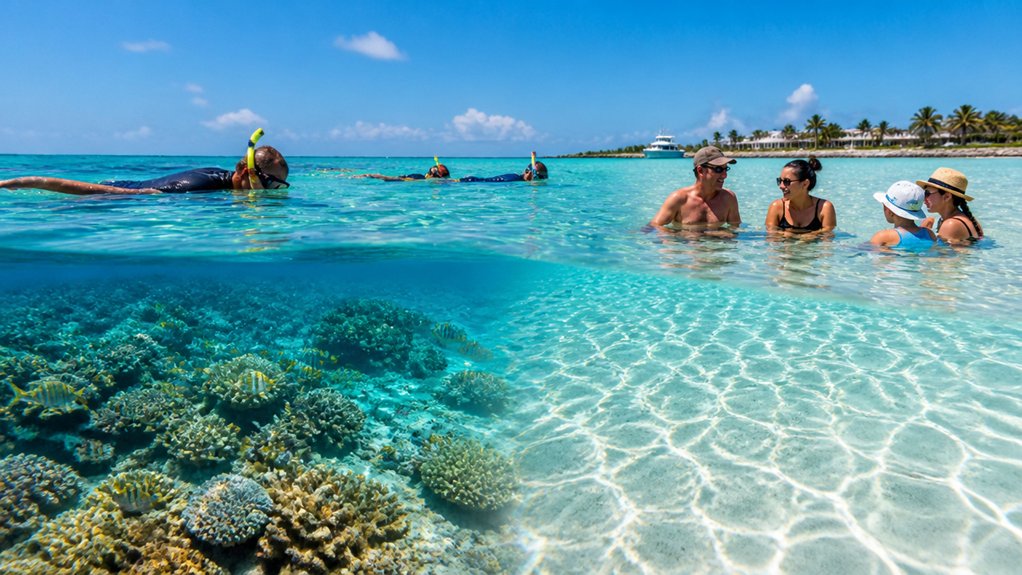
If you’re deciding between reef and sandbar snorkeling in Key West, the biggest difference is what you’ll see and how you’ll get there. With reef snorkeling, you ride farther offshore by catamaran or powerboat to reach coral formations packed with marine life. You might spot parrotfish, angelfish, sea turtles, even a passing spotted eagle ray in clear blue water. With sandbar snorkeling, you stay in shallow, calm areas over sand and seagrass flats. You trade colorful reef scenes for seastars, shells, conchs, sea urchins, and small rays. The trip is usually shorter, and there’s often time to swim or lounge. Reef sites handle tides better, but they need calmer offshore seas. Sandbar snorkeling depends more on wind, weather, and shifting shallows from day to day. Many visitors use an Ultimate Key West Snorkeling Guide to compare conditions, marine life, and trip styles before choosing between the two.
Which Key West Snorkeling Trip Is Best for Kids?
Once you know the reef gives you wildlife and the sandbar gives you easy water, the best Key West snorkeling trip for kids comes down to confidence, age, and attention span.
If your kids swim well and won’t mind a 20 to 45 minute boat ride, reef snorkeling feels rewarding. If they’re younger, cautious, or prone to seasickness, choose a sandbar trip with shallow water, float time, and quick wins. For mixed ages, a private charter or combo works beautifully. You can let beginners wade and practice while stronger swimmers head farther out. Many of the best snorkeling tours in Key West offer both reef and sandbar options, which makes it easier to match the day to your kids’ comfort level. Look for a family-friendly crew with life jackets, kid-sized gear, and short swim distances. That setup keeps the day smooth, safe, and fun, even when attention spans vanish faster than sunscreen.
What Will You See at Reefs vs Sandbars?
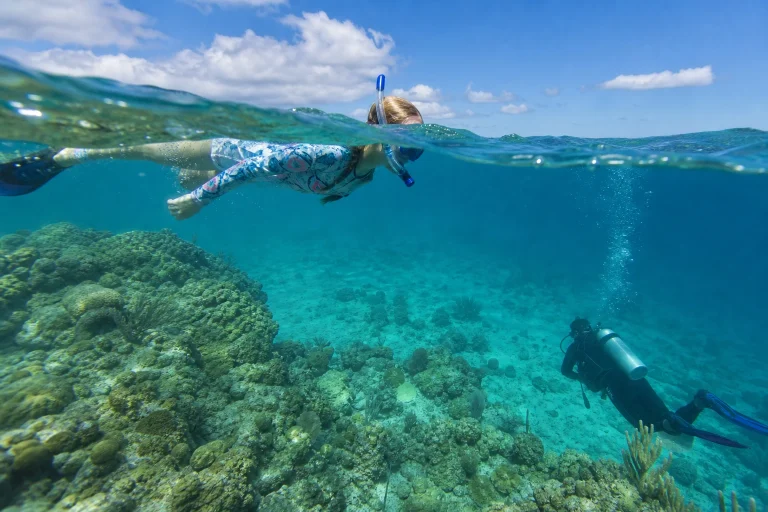
While both trips get you into clear Key West water, what you see feels very different. On a reef, you Snorkel above coral fingers, patch reefs, and sponge-covered ledges where tropical fish flicker in every direction. You might spot sea turtles cruising past, nurse sharks resting below, or a spotted eagle ray gliding over coral canyons. The reef packs in more life, so each look down can reveal something new.
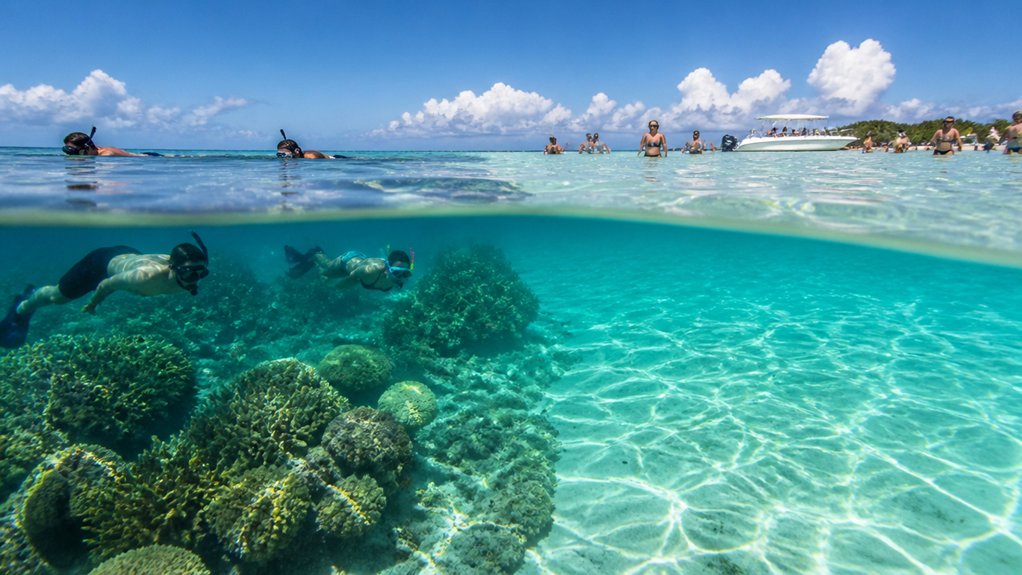
At a sandbar, the scene is simpler and quieter. You’re usually over pale sand and seagrass, watching conch, sea urchins, starfish, small rays, and juvenile fish move through the shallows. Some days the water turns glassy. Other days tides shuffle the view. You won’t get the same coral drama, but the little creatures can still steal the show too. If you want to pair snorkeling with a bigger outing, a Dry Tortugas day trip offers another way to experience remote, crystal-clear Florida waters.
How Easy Is Reef vs Sandbar Snorkeling?
The biggest difference isn’t just what you’ll see. It’s how much effort you’ll use during your Key West Snorkeling day. A Reef Snorkel usually starts with a boat ride 2 to 8 miles offshore. Then you climb in, swim over deeper water, and stay aware of coral heads and light current. Sandbars In Key West feel easier from the first step.
The real difference is effort: reefs ask more swimming and awareness, while Key West sandbars feel easy from the start.
- Reef trips reward basic skills and open-water comfort.
- Sandbar stops are shallow, calm, and truly beginner-friendly for families and younger teens.
- Reefs often offer clearer water, while sandbars trade visibility for easy entry, soft sandy bottoms, and a relaxed snorkel adventure.
You’ll still follow simple rules at both, but sandbars demand less technique and less huff-and-puff when you enter or exit comfortably. A Key West sandbar tour sets expectations for a laid-back day in shallow water with easy access and more time to relax.
Still comparing Day Trips?
Ask for tour ideas, hotel suggestions, or a simple trip plan that combines both.
Trip Helper
When Should You Choose a Reef Trip?
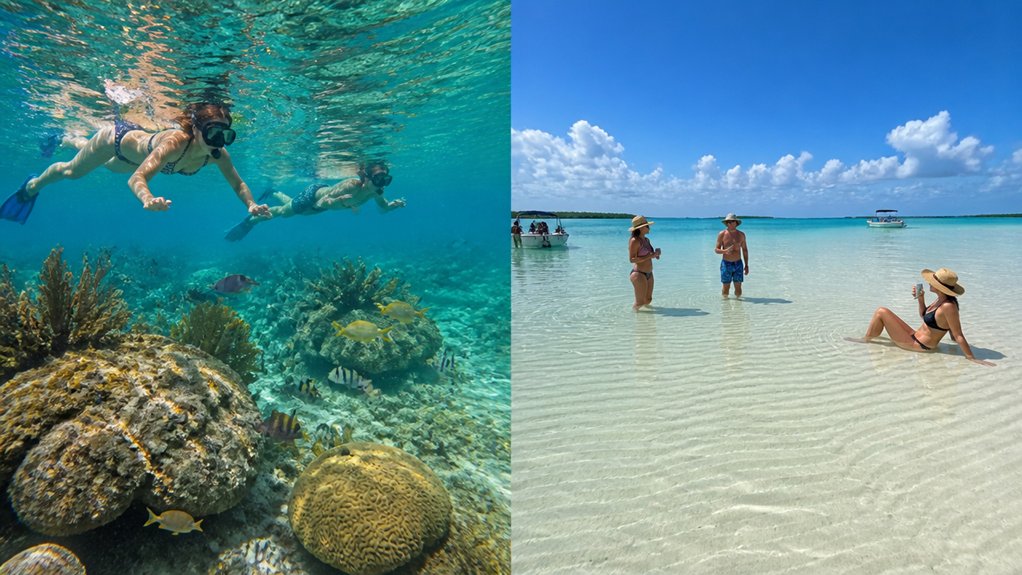
You should choose a reef trip when you want the best marine life, from tight coral formations to flashes of angelfish, parrotfish, turtles, and even the occasional spotted eagle ray. It’s also a better fit when you’re traveling with confident swimmers or older kids who won’t mind a boat ride offshore, deeper water, and a little current. On calm weather days, you’ll usually get clearer water and sharper coral views, which makes the whole outing feel less like a quick splash and more like the main event. Many reef trips in the Keys take place within Florida Keys National Marine Sanctuary, a protected area known for coral restoration and marine conservation.
Better Marine Life
Curiosity pays off on a reef trip, because that’s where Key West snorkeling gets its richest marine life.
- You reach the Florida Reef, where coral heads shelter parrotfish, angelfish, snapper, and dense, flashing schools.
- Reef trips often deliver clearer views, often 20 to 40 plus feet, so you can scan blue water for sea turtles, nurse sharks, and spotted eagle rays.
- Sandbar snorkeling has its own charm in seagrass flats and sandy patches, with seastars, conch, urchins, and small fish, but it can’t match the coral structure or concentrated wildlife offshore.
If you want the bigger, busier underwater scene, choose the reef. Two stop outings can sweeten your odds, and your mask stays busy the whole time with color flickering in every direction below. Many of the best scuba diving tours in Key West also focus on these same reef systems because they consistently offer the area’s strongest marine life encounters.
Strong Swimmer Fit
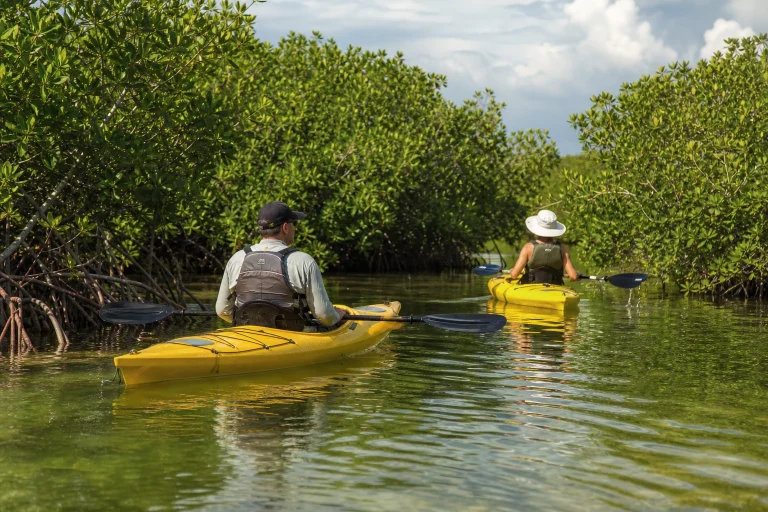
If open water feels fun instead of tiring, a reef trip is usually your better fit. You should choose the reef when you or your teen can swim 200 to 500 yards, float easily, and stay in for 30 to 45 minutes. Reef sites sit miles offshore, so boat transfers feel more like a swim than a step down. Strong swimmers handle the mild surge and moving water at Eastern Dry Rocks and Sand Key without losing that relaxed, steady breath. You’ll also enjoy deeper water, clearer views, coral canyons, bright fish, and maybe a sea turtle gliding past. Like the calm mangrove trails in Key West kayaking, these trips reward people who enjoy active time on the water and watching wildlife closely. For families with teens, small boats or private charters make sense. You get closer supervision, faster pickups, and less crowded reef spots when fins feel useful.
Calm Weather Days
On calm Key West mornings, a reef trip usually makes the most sense. For Snorkeling in Key West, you want calm weather so the boat can cross 6 to 8 miles offshore without pounding through chop. Better seas also mean clearer water over the barrier reef, often 30 to 80 plus feet of visibility. Some travelers compare reef excursions with Dry Tortugas trips from Key West when planning offshore water activities.
- You get more time in the water, often 45 to 90 minutes per reef.
- You can reach prime sites like Sand Key and Eastern Dry Rocks.
- You’ll likely spot turtles, parrotfish, angelfish, eagle rays, and maybe a nurse shark.
If forecasts show fronts or winds above 15 knots, skip the open ocean. Choose a sandbar trip instead. It’s more sheltered, more reliable, and less bumpy for your coffee.
When Is a Sandbar Snorkeling Trip Better?
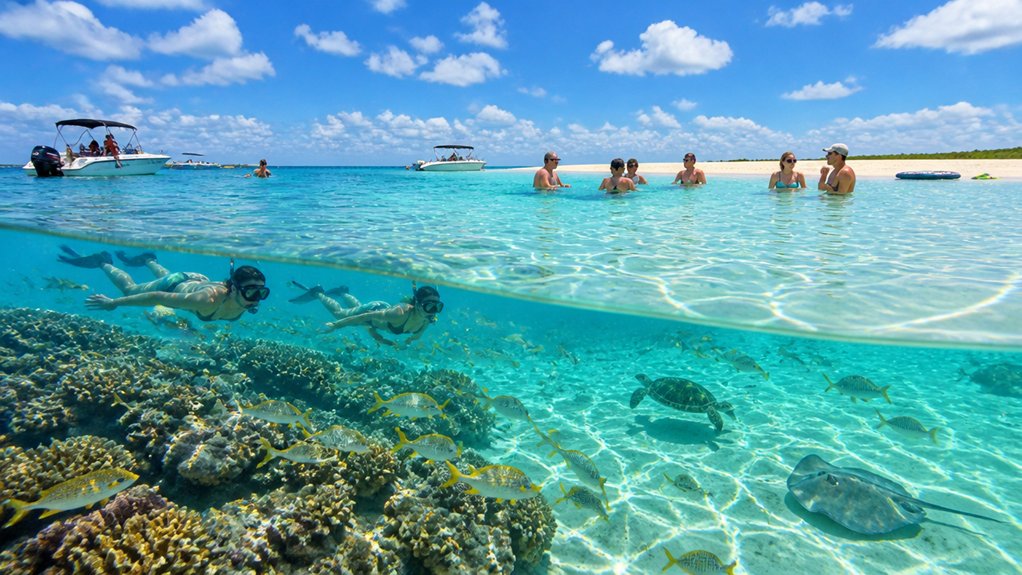
A sandbar snorkeling trip works best when you want calm, shallow water that feels easy for beginners and young teens. You’ll have a better shot in summer or on warm, quiet-weather days, when the surface stays gentle and the boat ride doesn’t feel like a washing machine. If your crew wants an easy, family-friendly outing with simple exploring close to shore, this is often the smarter pick. It also helps to think about basics like parking and shade, especially if you’re spending extra time near the beach before or after your snorkeling trip.
Calm Water Conditions
Because sandbars sit in very shallow water, they really shine on calm, low-wind days, most often in summer when the sea goes glassy and easy. You get the best sandbar visibility when light wind barely ruffles the surface and bottom sediment stays put.
- Check the tide. Many spots work best from low to mid tide, when you can wade and snorkel comfortably.
- Watch the wind direction. Leeward sandbars stay calmer and clearer, while windward ones turn choppy and murky fast.
- Skip days after storms. Sand can shift, the bar may disappear, and the water often looks like shaken lemonade.
If the forecast stays calm under about 10 to 15 knots, you’ll usually find clear shallows, bright shells, and tiny critters worth spotting. Similar calm-weather planning matters for remote trips like Dry Tortugas camping, where wind and sea conditions can strongly affect access and overall comfort.
Family Skill Considerations
Those same calm, shallow conditions also make sandbar snorkeling a smart pick for families with mixed confidence in the water. You can keep an eye on two 14-year-olds and a 19-year-old more easily when the water stays ankle to chest deep and the boat ride is short. That matters on busy Florida Keys days, especially if anyone gets seasick on longer snorkeling tours. At a sandbar, you trade dramatic coral scenes for easy drifting over seastars, shells, urchins, and small fish. It feels more like a floating beach day than an outer-reef mission. If your group wants a non-snorkeling option on another day, paddleboard rentals in Key West can be another easy way to enjoy calm water together. Just watch the forecast and tides, since conditions shift fast. Summer is usually kinder. If your family wants turtles, rays, and vivid coral, book the reef instead with a skilled captain.
Frequently Asked Questions
Do I Need Fins for Key West Reef or Sandbar Snorkeling?
You’ll want fins for reef snorkeling because water currents demand propulsion, but you can skip them at sandbars. For fin necessity, follow comfort tips, compare booties vs fins, and check rental options before you go.
Are Reef and Sandbar Snorkeling Trips Suitable for Non-Swimmers?
Like training wheels, you’ll find sandbar trips suit non-swimmers better; reef trips can work if you choose non swimmer accommodations, flotation devices, a guided buddy system, accessibility ramps, and calm water options for confidence too.
How Long Do Key West Snorkeling Tours Usually Last?
You’re usually looking at 3–4 hours for tour duration, with half day trips most common. Full day private charters run 6–8 hours, and seasonal variations, weather, and boat type can shorten or extend snorkeling time.
Can I Bring My Own Snorkel Gear on the Boat?
Yes—you can bring snorkel gear; you’re good to go. Skip gear rental if yours fits, make fit adjustments beforehand, ask crew about travel storage, and use cleaning tips, labels so you don’t lose anything.
Are There Age Limits for Reef or Sandbar Snorkeling Tours?
Yes—you’ll encounter age restrictions: reef tours often require kids 6–8+, while sandbar trips usually welcome younger children with parental supervision. Ask operators about medical considerations, accessibility accommodations, and group discounts before you book in advance.
Conclusion
You can chase two different Key West moods. Pick the reef and you’ll glide over coral fingers in clear water, hear your breath through the snorkel, and spot parrotfish, rays, maybe a turtle if luck clocks in. Choose the sandbar and you’ll wade through warm shallows, sift your toes in soft sand, and watch kids grin at seastars and conch. One feels like a window into the wild. The other feels like an island exhale.
Hotel bases to compare after this tour
Once you have the tour shortlist, compare a few stays that can make the trip logistics easier.

The Reach Key West, Curio Collection by Hilton
A beachfront Hilton Curio Collection resort in Old Town Key West with a private beach, pool, spa access, and easy access to Duval Street and Southernmost Point.
Check rates
Hyatt Vacation Club at Beach House, Key West
Stay in a classic Key West–style, tropical getaway set up as residential-style retreats with manicured gardens and beachside comfort. A connecting on-property dock makes it easy to rent a kayak and head out for Gulf of Mexico water adventures. Plan a vacation that feels more like having your own place by the water.
Check rates