Key West Shipwreck Diving Guide
Plot your Key West shipwreck diving guide with iconic wrecks, warm waters, and quick boat rides—but one site changes everything.
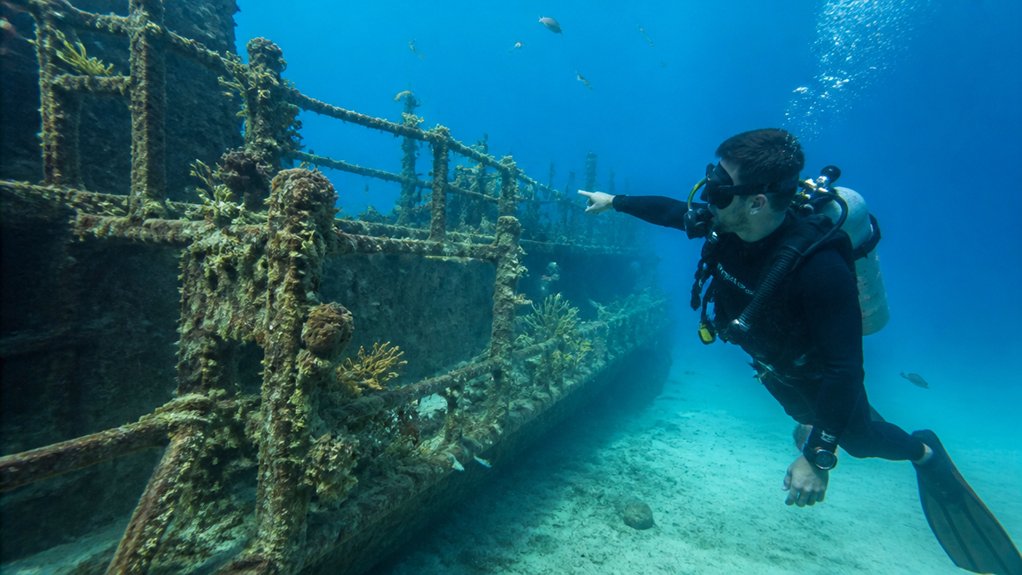
You don’t come to Key West wreck diving for one kind of dive. You come for choices. One morning you can drift past a steel giant like the Vandenberg with barracuda flashing in blue water. The next, you can fin over a shallow wreck where coral grips old beams and parrotfish crunch like tiny tools. Add short boat rides, warm water, and a few current checks, and the real question starts to sharpen: which wreck should you book first?
Choose your Key West water trip before choosing the beach day.
If clear water and fish are the goal, a boat trip usually beats staying onshore. Compare reef and sandbar options before setting the rest of the itinerary.
Browse reef trips →Key Takeaways
- Match the wreck to your certification and recent deep-diving experience, and bring certification cards plus log proof for operator clearance.
- Vandenberg suits Advanced Open Water divers with recent deep experience, while Cayman Salvager, Joe’s Tug, and shallow historic wrecks fit less experienced divers.
- Expect two-tank, four-hour trips from 1708 N. Roosevelt Blvd., usually departing at 9:00 AM or 2:00 PM after 60-minute early check-in.
- Deep wrecks can involve currents, narcosis near 100 feet, shorter bottom times, and SMB pickups, so Nitrox and a dive computer are strongly recommended.
- Key West wrecks are reef-like habitats with turtles, groupers, rays, jacks, morays, sharks, and coral-covered structures that create excellent photography and marine-life encounters.
Which Key West Wreck Dive Should You Book?
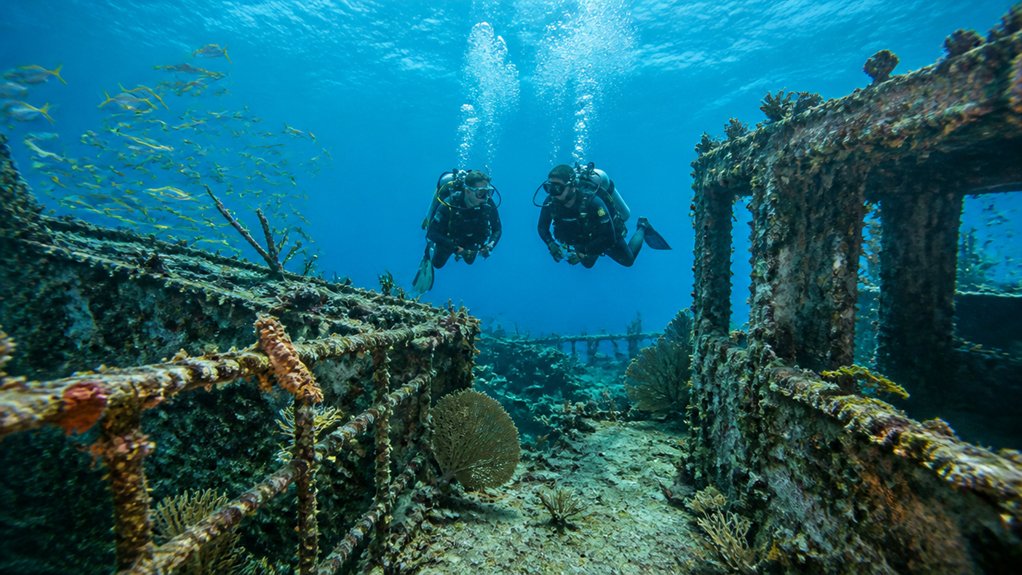
Start with your certification card and your comfort in deep water, because that choice will point you to the right wreck fast.
If you’re an intermediate diver or a beginner without recent extended-depth exploration, book the Cayman Salvager. It sits upright in about 90-95 feet, with bicycles on deck, an old payphone, and frequent goliath groupers. Photographers usually like its shallower main decks and coral crust.
Choose USS Vandenberg if you have Advanced Open Water certification and recent extended-depth experience, or if you hire a guide. Its huge decks and radar dishes begin around 100-145 feet. For either trip, check in 60 minutes early at Captain Hook’s Dive Key West. Trips leave at 9:00, with Cayman Salvager also at 2:00, and start at $109+. Both are regularly featured among the best scuba diving tours in Key West for wreck-focused divers.
What Makes Key West Wreck Diving Unique?
Because these wrecks were sunk on purpose and placed in real blue-water depth, Key West gives you a kind of wreck diving that feels bigger, wilder, and more dramatic than the usual reef stop.
| Wreck | What you notice | Why it stands out |
|---|---|---|
| Vandenberg | Towering steel, schooling jacks | Giant scale |
| Cayman Salvager | Upright hull, turtles, morays | Easy-to-read shape |
| Offshore run | Open water, salt spray | Feels adventurous |
| Dive day | Two tanks, boat interval | Simple rhythm |
Here, your wreck dive starts miles off Key West. You drop into blue water, not a shallow postcard scene. The Vandenberg turns into a huge backdrop for photos and fish traffic. Currents can add motion, so every pass feels alive. These sites aren’t museums. They’re working reefs with real salty attitude. Many divers pair a wreck outing with boat rentals to explore more of Key West’s surrounding waters before or after the dive day.
Which Key West Wreck Fits Your Skill Level?
You’ll have a better trip if you match the wreck to your experience, because Key West offers everything from easy shallows to serious deep-water steel. If you’re newer or just rusty, the Cayman Salvager gives you a calmer first look with sunlit structure, coral growth, and the chance to spot a goliath grouper without pushing your limits. If you want a bigger challenge, advanced sites like the Vandenberg and other deep wrecks reward sharp buoyancy, solid training, and nerves that don’t rattle when the blue gets darker. Many visitors pair wreck dives with Key West snorkeling trips to enjoy the island’s shallower reefs and marine life on off days.
Beginner-Friendly Wrecks
If you’re easing into wreck diving off Key West, the trick is matching your comfort level to the right hulk. For a beginner-friendly start, Joe’s Tug gives you easy navigation in 50 to 60 feet, intact lines, swirls of reef fish, and the chance to spot a turtle cruising by like it owns the place. If you’re ready for a little more depth without feeling overcommitted, Cayman Salvager is the sweet spot. This 187-foot steel-hulled buoy tender sits upright in about 90 to 95 feet, with its main deck around 70, so you can explore confidently even if your deep-diving practice feels rusty. Captain Hook’s runs handy half-day trips at 9:00 AM or 2:00 PM, and you’ll check in an hour early. Nice bonus. If you want a gentler way to get comfortable on the water before your dive, a Key West catamaran cruise can be a relaxed introduction to local conditions.
Advanced Deep Wrecks
When your dive log starts leaning deeper, Key West’s wreck list gets a lot more dramatic. The Vandenberg wreck sits about seven miles offshore, a 522-foot giant with a ten-story superstructure and a main deck around 100 to 108 feet. You’ll usually need Advanced Open Water or a guide, plus a recent extended-depth dive, because this site can feel big, blue, and serious fast. If your non-diving crew wants to turn the trip into a full Keys adventure, a Dry Tortugas day trip can pair well with a Key West wreck-focused itinerary.
If you want depth without quite that much pressure, Cayman Salvager is the smart step up. This 187-foot buoy tender rests upright in 90 to 95 feet, with the main deck near 70. Most trips run as a briefing, boat ride, and single 2-tank dive on a four-hour charter. Bring Nitrox if you can. Your computer, and maybe your nerves, will thank you later.
What Certification Do Key West Wrecks Require?
Key West wrecks span a wide range, so your certification needs change fast from one mooring line to the next. Shallow historic sites like the Benwood, City of Washington, and Windjammer usually welcome Open Water divers, with sandy bottoms, easy descents, and fish flashing in clear light. For more substantial explorations, you’ll need Advanced Open Water. The Vandenberg often requires that card, or equivalent deep training, plus a recent deep dive if you’re going unguided. The Cayman Salvager suits intermediate divers with Advanced Open Water or proof of recent depth experience. Beginners can build confidence through Discover Scuba Diving before moving toward wreck-specific training.
- You feel calm knowing the boat won’t turn you away.
- You dive smarter when currents stiffen and visibility shrinks.
- You keep options open if an operator asks for a guide or shallower plan.
Why Dive the USS Vandenberg in Key West?
Certification rules make more sense once you picture the USS Vandenberg resting seven miles off Key West. You don’t visit this wreck for a casual splash. You go for an advanced dive with scale that feels cinematic. The main deck sits around 100 to 108 feet, and the ship stretches about 522 feet long. Its ten story superstructure rises like a steel city, with radar dishes, broad decks, and intact details that pull your eyes in every direction. Since it became an artificial reef in 2009, the USS Vandenberg has filled with life. You might spot turtles, groupers, rays, and clouds of baitfish flashing around the hull. Most trips run as a half day, two tank charter, so the adventure feels deep and memorable. Many visitors also compare it with snorkeling tours in Key West when planning the best ways to experience the island’s marine life.
Compare snorkeling tours by reef, boat style and time in the water.
Key West snorkeling is mostly offshore, so the boat matters. Look at reef location, group size, gear and how much time you actually spend in the water.
Compare Key West snorkeling tours →Why Dive the Cayman Salvager in Key West?
You get a wreck that feels approachable right away: the Cayman Salvager sits upright in 90 to 95 feet of water, with its main deck around 70 feet, so you can enjoy a classic wreck experience without the bigger commitment of the Vandenberg. As you move across the steel hull, you’ll spot deck bicycles, an old payphone, coral-covered openings, and often a few bold regulars like goliath groupers, turtles, moray eels, and flashing schools of jacks. It’s the kind of site that gives you memorable photos, easy-to-read structure, and just enough oddball charm to make you grin through your regulator. For travelers comparing underwater outings, reef snorkeling in Key West offers a different kind of experience than a sandbar day, with more marine life and structure to explore.
Signature Features
Because the Cayman Salvager sits upright in 90 to 95 feet of water, with its main deck around 70 feet, it gives you that satisfying deep-wreck feel without turning the exploration into a major expedition. What makes this wreck memorable is how much character it packs into one steel frame. You can fin past deck bicycles, spot an old payphone, and watch coral and sponges soften the hard lines. Like many dolphin watching tours in Key West, dives here come with the expectation of memorable wildlife encounters in a distinctly local setting.
- On the bow, goliath groupers hover like bouncers, huge and oddly calm.
- Hawksbill turtles, moray eels, jacks, and permit keep the scene moving.
- Every angle feels photo-ready, from rusty textures to bright growth.
The Cayman Salvager gives you history, wildlife, and just enough salty charm that makes you grin into your regulator underwater.
Diver-Friendly Depth
While plenty of Key West wrecks ask for serious depth, the Cayman Salvager keeps the adventure in a friendlier zone. You explore an upright, diver-friendly wreck with the main deck around 70 ft. and sand near 90 to 95 ft., so most of your dive stays within recreational deep limits. At 187 feet long, the Cayman Salvager feels big enough to spark curiosity, yet manageable for intermediate divers. Like Dry Tortugas National Park, it rewards travelers seeking a more adventurous side of the Lower Keys and surrounding waters.
You don’t need Vandenberg-level commitment here. Nitrox helps if you want more bottom time on deeper sections, and many boats run it as a two-tank trip lasting four hours at 9:00 AM or 2:00 PM. Expect goliath groupers, moray eels, turtles, and schooling jacks. Shops often want Advanced Open Water or proof of a dive below 60 ft.
What Marine Life Can You See on Key West Wrecks?
Often, the first thing that grabs your attention on a Key West wreck isn’t the steel at all. It’s the motion. On the USS Vandenberg and Cayman Salvager, you drift into clouds of sardines, jacks, and baitfish, then spot the hunters behind them. Reef sharks, rays, Nassau groupers, and gag groupers cruise the edges. A giant goliath may lounge on the bow like it owns the place, because honestly, it sort of does.
- You feel tiny when a turtle glides past and a moray watches from a pipe.
- You notice sponges, corals, and red algae turning hard metal into a living neighborhood.
- You grin when shallow wrecks reveal snappers, grunts, nurse sharks, silversides, and macro critters hiding in plain sight there.
These wrecks sit within Florida Keys National Marine Sanctuary, where Mission: Iconic Reefs supports broader coral restoration across the region.
What’s the Best Time for Key West Wreck Diving?
Usually, the best time for Key West wreck exploration is the morning, when lighter winds and calmer seas can make the ride out to the Cayman Salvager or USS Vandenberg feel smoother and the surface less choppy.
Book morning charters early. You’ll often get the nicest boat ride and a quieter start. For the Vandenberg, confirm you meet Advanced/Open Water requirements and recent extensive-submergence rules. Afternoon trips still work well if you want sunshine and a later pace. In winter, visibility often looks better. In summer, thunderstorms can shuffle plans, so check radar and cancellation terms. This week, cloud line conditions are possible later today and again on Monday, and these setups are notorious for waterspouts on the surrounding waters. Arrive an hour early and reserve online for top wrecks.
| Time | Why go | Note |
|---|---|---|
| Morning | Calm ride | Popular |
| Afternoon | Warmer break | Later start |
| Winter | Clearer water | Stable |
How Do Depth and Currents Affect Key West Wreck Dives?

Because many of Key West’s signature wrecks sit deep, depth and current shape almost every part of the dive, from who can go to how long you can stay. On an extended immersion like the Vandenberg, you’ll usually need Advanced Open Water, recent experience, and often Nitrox to stretch safe time. Like choosing between the Dry Tortugas ferry and seaplane, picking the right way to access a site depends on conditions, timing, and the kind of experience you want.
Deep wrecks like the Vandenberg demand training, recent experience, and smart gas choices to make every minute underwater count.
- You feel the thrill as blue water drops away, but depth trims bottom time and can bring narcosis near 100 feet.
- You respect currents, especially on famous wrecks, because they can turn a simple descent into a drift with an SMB and pickup.
- You stay flexible. Weather and sea state can shut a site down, so smart operators reschedule, and your careful gas plan keeps the adventure fun when conditions start acting moody.
How Does a Key West Wreck Diving Trip Work?
When you book a Key West wreck trip, your morning or afternoon follows a pretty smooth rhythm: check in about an hour early, listen to the briefing, then head out for a half-day charter that runs around four hours. These half-day charters keep logistics easy. Key West is also well known for deep sea fishing adventures, which reflects how strongly charter boating shapes many on-the-water trips in the area.
| Site | Fit |
|---|---|
| Cayman Salvager | Easier recent-depth choice |
For Vandenberg, you usually need Advanced certification plus a recent extended dive or guide. Boats track radar, and unsafe weather means a reschedule or full refund instead. You’ll ride out, gear up, and make one two-tank dive with a surface interval on board. Cayman Salvager departs at 9:00 AM and 2:00 PM. Vandenberg usually leaves at 9:00 AM. Crews stay CPR certified, which is reassuring before the ocean starts showing off.
What’s Included in Key West Wreck Diving Prices?
You can expect prices to start around $109 plus tax, and that usually covers your air, tanks, weights, and weight belt for a half-day wreck trip. You’ll also get simple logistics built in, like morning or afternoon departures, check-in about an hour early, and free parking close to the boat so your fins aren’t part of a long hike. The main extras to watch for aren’t surprise fees but trip-specific details, like fuel surcharges when marina prices spike or certification requirements for deeper wrecks. Since many visitors compare multiple Key West charters while planning their water activities, it helps to confirm exactly what your wreck-diving operator includes before you book.
Included Dive Essentials
Although wreck diving feels like a big-ticket adventure, most Key West trip prices from about $109 per diver, plus tax, cover the core basics you need to get in the water without fuss. You’ll usually get tanks, weights, a weight belt, air fills, boat transport, and a briefing on a half-day 2-tank outing. Expect about four hours total, plus a relaxed surface interval onboard. Like a Key West Jet Ski Tour, these trips are often worth your time because the logistics are handled for you so the experience feels easy from start to finish.
- You park free near the boat, then step aboard feeling wonderfully unflustered.
- You rinse gear and cameras after the dive, while salt dries and stories grow.
- You head out with an experienced, CPR-certified crew watching weather and radar, so you can focus on the Vandenberg and ask about Nitrox before splash time at check-in for calmer starts.
Extra Costs To Expect
Often, the sticker price is just the start, and the add-ons matter most on deeper Key West wrecks. Base trips usually begin around $109 per diver, plus tax, and cover air, tanks, weights, and a belt. After that, your bill can climb fast.
If you’re planning a Vandenberg dive, you’ll need Advanced Open Water or pay for a guide. Nitrox is another common extra, and it’s worth it for deeper profiles on the Cayman Salvager and Vandenberg. Watch for a fuel surcharge too, billed the day of the trip if marina prices spike. You might also rent gear, book deep or advanced instruction, tip the crew, or buy snacks and drinks beyond the boat’s ice water. Salt air makes that cooler look tempting ashore. Before you go, review Florida boating laws if you’re arriving by private boat, since compliance and required safety equipment can affect your overall trip costs.
Where Do Key West Wreck Dive Boats Depart?
At the north side of Key West, most wreck dive days with Captain Hook’s Dive Key West start at 1708 N. Roosevelt Blvd., Key West, FL 33040. You park free on site and walk just steps to the boat, which feels wonderfully easy before a salt-sprayed morning. Cayman Salvager trips usually leave at 9:00 AM and 2:00 PM, and you should check in 60 minutes early. Vandenberg departures are generally morning runs, often on a 9:00 AM booking, with the boat heading about seven miles offshore. Most charters are half-day trips and return about four hours later. If you’re pairing diving with a broader vacation, first-time cruisers often find Key West’s marina areas easy to navigate for day departures and short excursions.
- You hear tanks clink and feel the day sharpen.
- You settle in, knowing logistics won’t steal the fun.
- Weather changes. Call Captain Hook’s direct.
Which Florida Keys Wrecks Are Worth Adding to Your Trip?
Which wrecks deserve a spot on your Key West dive plan depends on your depth comfort, your recent dive history, and what kind of underwater mood you want.
| Wreck | Best fit |
|---|---|
| Vandenberg | Experienced technical divers |
| Cayman Salvager | Intermediate, rusty deep divers |
| Joe’s Tug | Mixed groups, easy photos |
For Wreck Diving, add the Vandenberg if you’ve logged recent technical dives. Its giant superstructure rises like a steel high-rise and the deck sits near 100 feet. Choose Cayman Salvager if you want a calmer 90-foot profile, goliath groupers, and oddball touches like bicycles and a payphone. Joe’s Tug works beautifully for mixed abilities, with fish crowding the compact wreck in 50 to 60 feet. Before heading out, file a float plan so someone ashore knows when and where to look if conditions change. For shallower days, Benwood or City of Washington keep things bright.
How Do You Book the Right Key West Wreck Dive?
You’ll book smarter if you match the wreck to your certification and how recently you’ve been in deep water, because the Vandenberg is for Advanced Open Water guests with a recent deep-water trip, while the Cayman Salvager is a friendlier pick if it’s been a while. Then compare the nuts and bolts: four-hour morning or afternoon charters, check-in 60 minutes early at Captain Hook’s on North Roosevelt, and one two-tank outing with a surface break on the boat. If you’re also planning a wider Keys itinerary, it helps to know about getting to Dry Tortugas from Key West. Before you lock it in, confirm the price, weather policy, and any guide requirements, so the only surprise is how close the parking is to the boat.
Match Dive Experience
Before you click “book now,” match the wreck to your recent dive history, not just your ambition. Choose Cayman Salvager if you’re newer to deep profiles or you haven’t done one lately. Its deck sits around 70 feet, which feels exciting without turning your pulse into a drumline. Reserve USS Vandenberg only if you have Advanced Open Water and a logged extended-depth dive within the last year, or hire a guide.
- Feel confident, not rattled, when the descent line hums beside you.
- Protect your air, judgment, and joy by choosing the right depth.
- Surface smiling, already planning your next wreck instead of wishing you’d dialed it back a notch.
Bring certification cards and log proof so the crew can clear you without dockside surprises.
Compare Trip Logistics
Once you’ve picked the wreck that fits your experience, the booking details make the choice even clearer. Compare departure times first. Cayman Salvager runs at 9:00 AM and 2:00 PM for about four hours. Vandenberg usually leaves in the morning, so grab the 9:00 AM slot online.
| Trip | What to know |
|---|---|
| Vandenberg | Advanced Open Water, or hire a guide with recent deep-dive proof |
| Cayman Salvager | Good for intermediates, with Advanced or recent depth experience often recommended |
Book early for instant confirmation. Arrive 60 minutes early at Captain Hook’s Dive Key West, 1708 N. Roosevelt Blvd. Basics are included, parking is free, and trips start around $109 plus tax. If weather turns moody, you’ll get a reschedule or refund. Call for special Vandenberg requests too.
Frequently Asked Questions
Can You Rent Underwater Cameras for Key West Wreck Dives?
Yes, you can rent underwater cameras for Key West wreck dives through many dive shops; check rental availability, inspect camera housings, and ask staff for shooting tips so you’ll capture clear, colorful footage safely underwater.
Are Seasickness Remedies Recommended for Wreck Dive Boat Trips?
Yes, you should consider seasickness remedies for wreck dive boat trips, especially if you’re prone to motion sickness. You can try natural remedies first, but ask your doctor about prescription options for stronger prevention, too.
Do Key West Wreck Operators Offer Private Guides or Photographers?
Yes—like hiring a cartographer for seas, you can book private photographers and guided charters with Key West wreck operators; they’ll tailor itineraries to your skill level, goals, and preferred wrecks, though you’ll pay extra.
What Items Should You Bring on a Key West Wreck Diving Day?
Bring your Dive checklist: certification card, swimsuit, towel, reef-safe sunscreen, water, snacks, seasickness meds, cash, and dry clothes. Pack camera essentials if you’ll shoot, and don’t forget safety gear like a surface marker whistle, too.
Are There Age Limits for Participating in Key West Wreck Dives?
Yes, you’ll usually face age restrictions for wreck dives; operators often require teens to meet certification levels, and minors need parental consent. You should check each charter’s rules, because ages and depth requirements can vary.
Conclusion
Key West wreck diving rewards you when you match the site to your skills and book with a little foresight. You might start on the Benwood, where tarpon flash through broken steel in clear blue water, then work up to the Vandenberg on a guided day with Nitrox. Bring your cards, check the forecast, and ask about currents. The boat ride is short. The memories stick. Salt on your lips, tanks clanking, and one very good story for dinner.