Key West Dolphin Watching Tours: What to Expect
A Key West dolphin watching tour begins with calm seas and fins in the distance, but what surfaces next might surprise you.
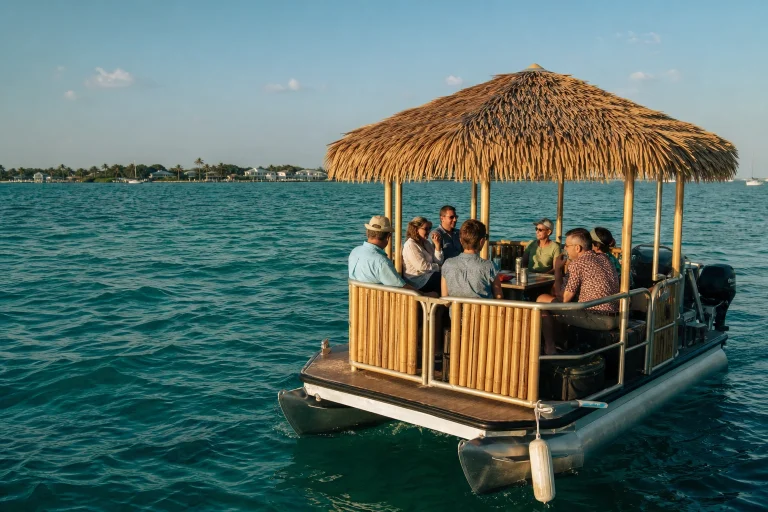
You’ll usually step aboard a catamaran or small boat about 30 minutes after check-in, then head into calm blue water where mangroves, sandbars, and reef edges slide past. The air smells like salt and sunscreen. A naturalist points out fins, birds, and shifting color in the shallows while the crew keeps things easy and hands-off. With dolphin sightings on most trips, the real question isn’t if you’ll spot one, but what else might appear beside the boat.
Key Takeaways
- Most Key West dolphin tours last 2.5–3.5 hours, with check-in about 30 minutes before departure.
- Tours cruise mangrove flats, sandbars, and reef edges, where resident Atlantic bottlenose dolphins are seen on most trips.
- Morning and late afternoon departures usually offer calmer water, better light, and improved chances of spotting dolphin activity.
- Crews follow strict wildlife rules: keep distance, idle near dolphins, and never allow swimming, feeding, or touching.
- Many tours include shaded seating, restrooms, narration, drinks, and optional snorkeling gear, with family-friendly options and private charters available.
What Is a Key West Dolphin Tour Like?
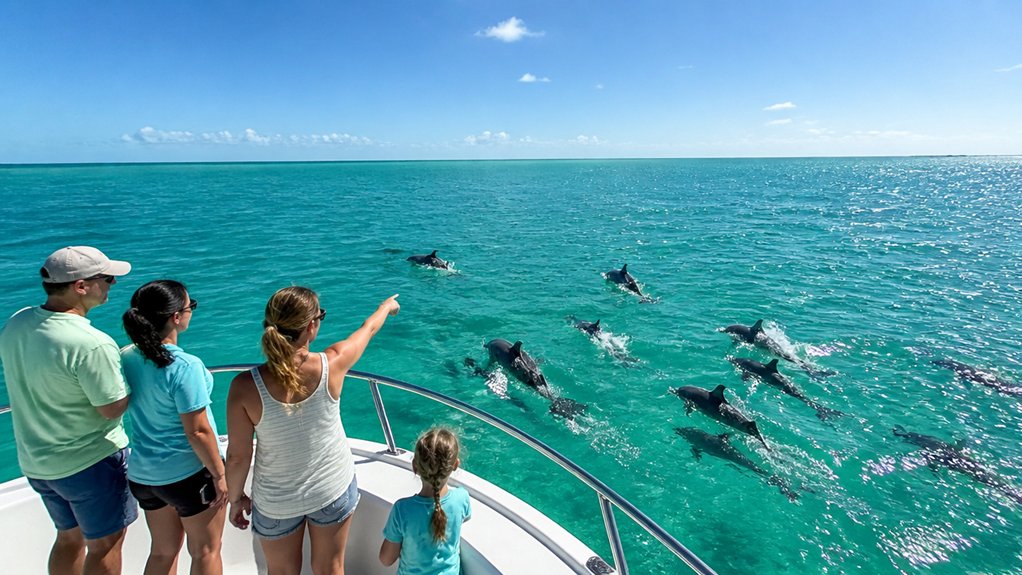
Picture an easy marina morning with salt in the air and a quick check-in about 30 minutes before departure. After marina boarding, you settle in for Dolphin Tours Key West style: breezy seats, a captain’s briefing, and eyes scanning for Key West dolphins. Most trips run about 2.5 to 3.5 hours, blending dolphin watching with optional snorkel stops. Naturalist narration helps you notice fins, bird calls, and the slick shine of resident Atlantic bottlenose dolphins. Crews follow Dolphin SMART rules, so you’ll watch respectfully from a safe distance, with no swimming, feeding, or touching. On a stable catamaran, you get shade, restrooms, and photo-friendly views. Choose a private charter if you want a quieter, more personal feel. Complimentary drinks don’t hurt either on warm mornings. Much like a catamaran cruise, the experience feels smooth and scenic, with plenty of room to relax between wildlife sightings.
Where Do Key West Dolphin Tours Go?
You’ll usually head into the Key West backcountry, where shallow mangrove channels, flats, and warm sandbars give dolphins calm water and plenty to eat. Your captain may also run along reef edges and nearby sandbar lanes, watching for surface splashes and quick bird action that hint at feeding dolphins. If you’re on a private charter, you can often reach skinnier, quieter water that big boats can’t touch, which feels a bit like getting let in on a local secret. These routes often overlap with mangrove trails, where calm, protected water also draws in plenty of coastal wildlife.
Backcountry Dolphin Habitats
Most Key West dolphin tours head out into the backcountry, where shallow flats, mangrove channels, and bright sandbars create the best odds for a sighting. There you’ll cruise protected water near wildlife refuges, where resident dolphins travel through a maze of flats, sandbars, and mangrove channels. These backcountry habitats stay calmer on calm days, so you can spot repeated surfacing and slick, glassy patches more easily. Captains also watch bird flocks and subtle movement along the shallows. The area consistently draws resident dolphins because it offers shelter and reliable feeding grounds. Many visitors pair a dolphin outing with easy day escapes from Key West to explore more of the surrounding waters. You may ride a smaller boat to reach tighter corners, but your captain still keeps a legally respectful distance. That means better views, less stress, and plenty of room for wild behavior too.
Shallow Feeding Grounds
Searching the shallows is where many Key West dolphin tours really begin. You’ll usually head into the backcountry, especially the Key West Wildlife Refuge, where calm, food-rich water makes shallow feeding grounds the best bet for dolphin sightings. Captains scout sandbars, shallow channels, and mangrove-lined flats where fish bunch up and dolphins feed, travel, and socialize. On smaller boats, you can slip into even skinnier water for closer looks.
- Silver flashes over sandbars
- Ripples along mangrove-lined flats
- Fins slicing quiet backcountry water
- Sudden bow-riding beside the hull
Tours follow Dolphin SMART, so when dolphins appear, your captain slows, stops, or idles in neutral unless they choose to approach. Calm mornings and late afternoons can also light up reef edges and patch coral. Boaters also take care in these areas to avoid damaging seagrass beds and stirring up sediment in shallow water.
Will You See Dolphins in Key West?
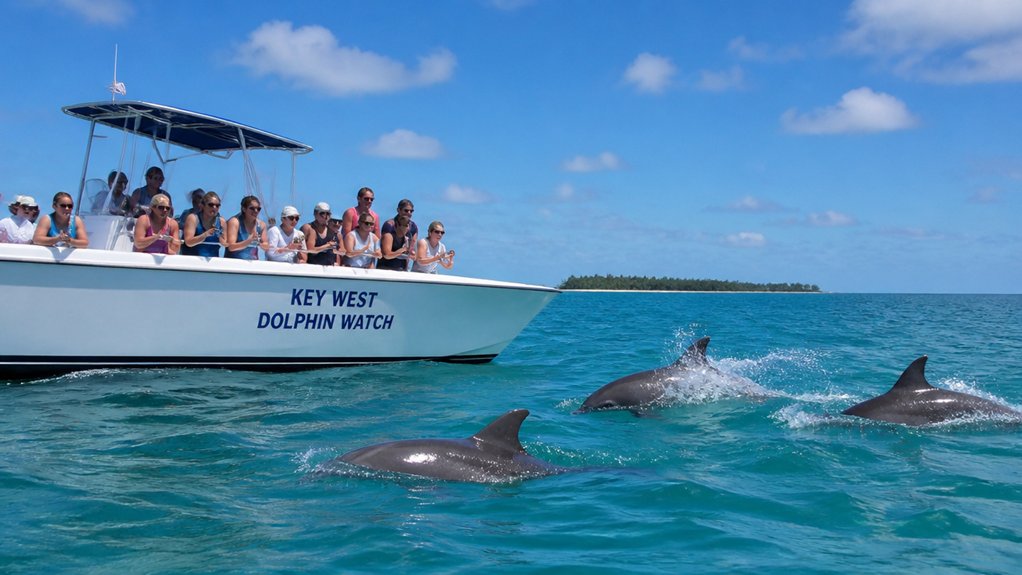
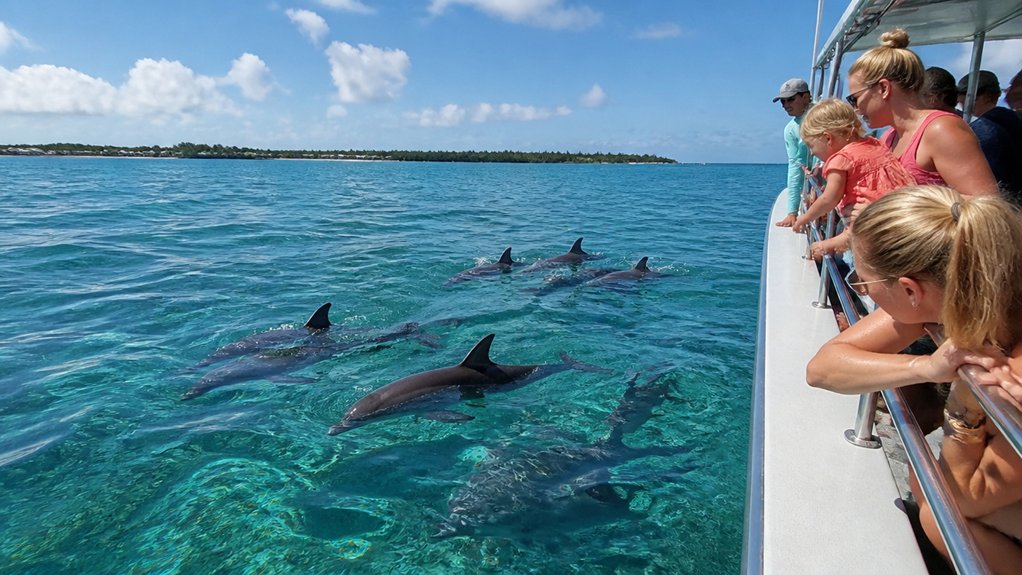
Often, the answer is yes. In Key West, you’ll usually find dolphins on a dolphin watching tour, thanks to resident bottlenose dolphins that live in these waters. Sightings happen on more than 95% of trips, and many operators offer a return-trip guarantee if you miss them.
Your best odds come in the shallow backcountry, along mangrove flats, and near quiet sandbars by the refuge, where food is plentiful and the water often looks calmer and clearer. Early morning and late afternoon usually help, too. You can spot them year-round, but wind and recent storms may make scanning harder for a few days. Even then, the search feels fun, a little like reading ripples for a wink of silver and a sudden fin nearby there. Many of these same calm areas are also popular for Key West snorkeling because of their clearer, shallower water.
How Close Can Boats Get to Dolphins?
While a dolphin might glide right up to the wake, your boat can’t legally move in for a close look. Federal rules say you must stay at least 50 yards from wild dolphins. Captains following Dolphin SMART and NOAA usually give them about 60 yards, then slow, stop, or shift to neutral.
Dolphins may come to you, but your boat must keep its distance: 50 yards by law, 60 yards by good practice.
- Silver backs flashing beside the bow-ride spray
- A hush over calm backcountry flats
- A mother and calf surfacing near sandbars
- A quiet snorkel boat drifting as resident dolphins choose the distance
You may get a closer view when dolphins approach on their own, especially in shallow backcountry habitat. Still, you can’t chase, touch, feed, or swim with them. Good tours protect feeding and family groups, with no pushy boat ballet at all. Responsible captains also follow Florida boating regulations and maintain proper safety equipment while operating in these waters.
What Time Is Best for Key West Dolphin Tours?
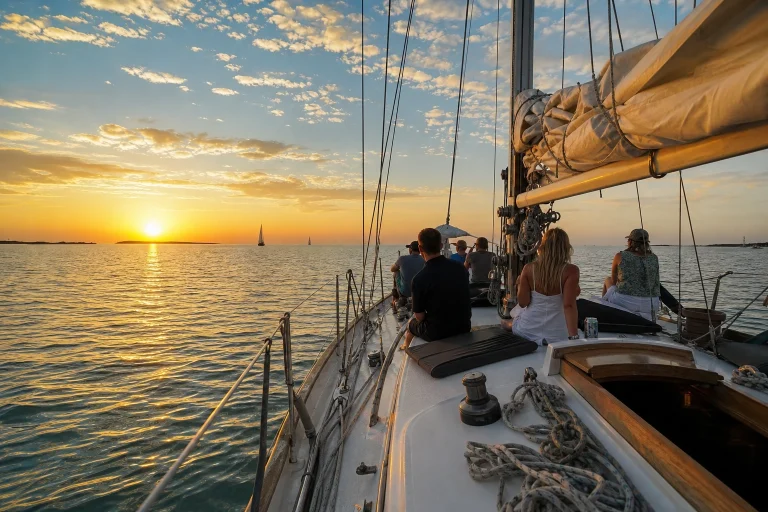
If you want the best odds and the clearest views, book one of the first dolphin tours of the day. In Key West, first departures usually mean calmer water, cooler air, and easier spotting as Dolphin fins slice the surface at sunrise. You can still see resident dolphins at midday, since they live here year round, but wind and chop often build and hide subtle movement. Late afternoon can be another sweet spot. The light turns softer, the sea may settle, and your photos near sunset can look fantastic. Backcountry trips over shallow flats and sandbars often boost your chances any time, especially mornings and late afternoon. After big storms, ask operators about recent conditions, because dolphins sometimes shift around for a few days. Many captains who run snorkeling tours also prefer early departures because morning conditions in Key West are often calmer and clearer on the water.
Are Key West Dolphin Tours Good for Kids?
Absolutely, Key West dolphin tours work well for kids, and most operators welcome all ages. You’ll find a family-friendly setup, and children 3 and under often ride free. Morning departures usually feel best for younger travelers because the water stays calmer, the air feels cooler, and the boat ride is gentler.
- Silky flat water that makes spotting fins easier
- Easy snorkeling safety with flotation devices and ladders
- A CPR-certified crew ready to coach first-timers
- Clear federal rules, so kids watch dolphins from the boat
These outings rank among the most popular things to do for families visiting Key West. If you want more flexibility, private charters can shorten travel time and keep the outing intimate. They’re handy when you want shallow backcountry water, fewer strangers, and a schedule that fits naps for young families, too.
What Else Will You See and Do?
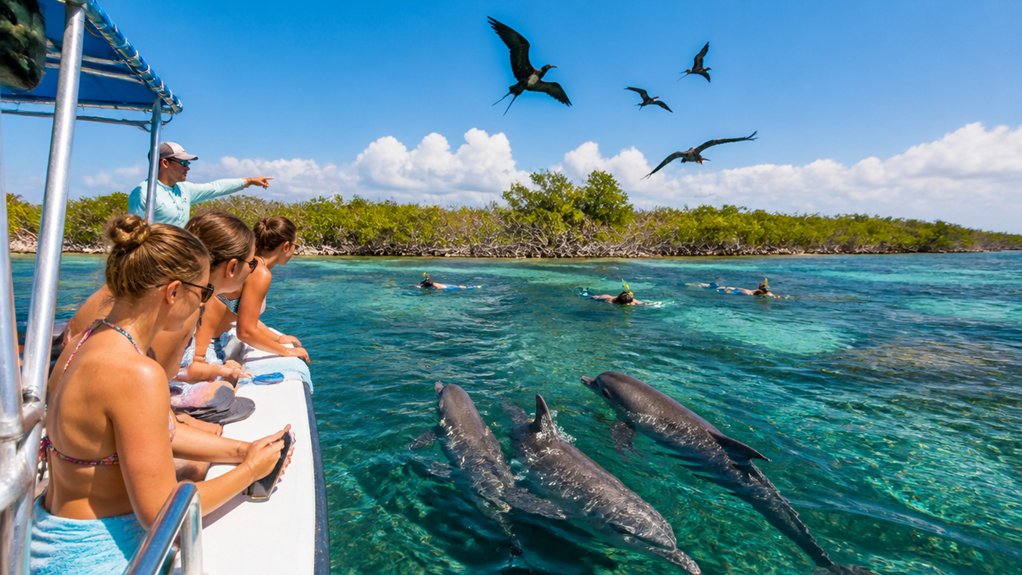
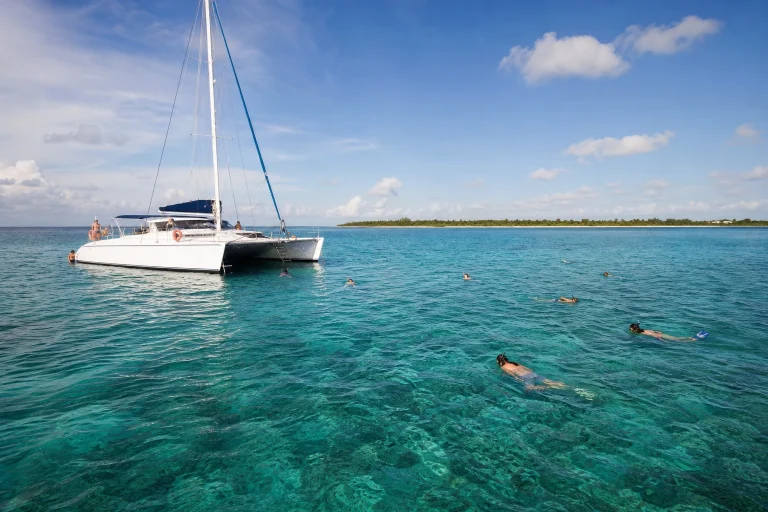
You’ll cruise past quiet backcountry flats and reef edges where the water shifts from glassy green to bright blue, and the views alone make the ride feel worth it. Most trips also give you time to snorkel or swim in shallow reefs, so you can slip on the provided gear and float over coral, tropical fish, and clear sandy patches. Along the way, you’ll likely spot sea turtles, stingrays, and seabirds too, which keeps your eyes busy even when the dolphins are taking a break. If your tour includes a stop at a Key West sandbar, you may also get to wade in calm, shallow water and enjoy a more relaxed kind of snorkeling.
Scenic Backcountry Views
Beyond the dolphin sightings, the Key West backcountry gives you a front-row view of a quieter side of the island chain. From a scenic sailing catamaran, you’ll glide through shallow protected waters with panoramic views in every direction. You pass mangrove-lined channels, bright sandbars, and reef edges where the water shifts from glassy green to electric blue. Some tours also connect naturally with paddleboard adventures, giving you another peaceful way to experience these calm backcountry waters.
- Sunlit flats that look brushed with silver
- Wind-bent mangroves with egrets perched like sentries
- Patch coral and sponger gardens beneath clear water
- Sea turtles, rays, and seabirds crossing the scene
A naturalist often adds context as you cruise, so the backcountry feels vivid, not just pretty. Go in calm morning or late afternoon light, and your photos may get a little unfairly gorgeous along the way too.
Snorkeling And Swimming
When the boat drops anchor over a shallow patch reef, the trip shifts from scenic cruise to easy-water adventure. You’ll get snorkeling equipment and sanitized snorkel gear, plus buoyancy aids and flotation devices that stay on the whole time. Crew members give snorkel instruction and professional instruction before anyone slips in, and they often join you in the water for extra confidence. On shallow backcountry reefs, you’ll usually have about an hour to drift above coral gardens in clear, waist-to-shoulder-deep water. children non-swimmers can still join, since one-on-one help is common for first timers. Afterward, you can climb back aboard, take a fresh-water rinse, and relax with cold drinks. Visitors who want to explore deeper sites later often look into scuba diving tours in Key West for a different kind of reef experience. Just remember, federal rules forbid swimming with or touching wild dolphins at any point there.
Other Marine Wildlife
Keep an eye out and the water keeps adding surprises after the dolphins pass by. Beyond Atlantic bottlenose dolphins, you might spot sea turtles surfacing beside the boat, or manatees loafing near mangroves and quiet channels.
- Pelicans crash into bait schools while terns stitch the sky, a lively burst of birdlife.
- When you snorkel shallow backcountry reefs, 4 to 15 feet deep, marine life appears in layers.
- Juvenile fish flicker over sea fans, sponges, and patchy coral gardens.
- On sandbars and flats, harmless sharks and stingrays sometimes glide past like underwater kites.
Crews keep viewing safe and hands off, so you can watch without bothering anything. You’ll hear quick splashes, feel warm salt on your skin, and realize each stop offers another surprise nearby. Some tours also mention nearby Dry Tortugas National Park, a remote marine sanctuary known for its clear waters, birdlife, and reef-filled surroundings.
What Should You Bring on a Dolphin Tour?
For a smooth morning on the water, pack like you’re heading into bright sun, salt spray, and a possible swim. Bring reef-safe sunscreen, hat, polarized sunglasses, and a light jacket, because the breeze can feel cool before the sun gets bold. Pack swimwear, a towel, and water shoes if snorkeling or a sandbar stop is on the plan. Slip your camera or phone into a waterproof case, and toss in binoculars for distant fins and seabirds. Keep a government-issued photo ID handy for check-in. If you get queasy, take motion-sickness medicine before boarding. A refillable water bottle, any daily meds, and a few snacks in a soft cooler help too. You’ll feel prepared, not overloaded, which is the sweet spot for a dolphin day. If your trip includes other water activities afterward, pack with safety tips in mind so you’re ready for changing wind and ocean conditions.
Frequently Asked Questions
How Long Do Key West Dolphin Watching Tours Usually Last?
Expect tour duration around 2.5 to 3.5 hours, though you’ll find half day excursions, private charters, sunset cruises, morning departures, kayak tours, and flexible itineraries shaped by seasonal schedules, stretching from 1.5 to 6 hours.
Are Dolphin Tours Canceled for Bad Weather or Rough Seas?
Yes—like shutters in a squall, you’ll face weather cancellations at operator discretion when sea state or port conditions threaten safety protocols; watch crew announcements, then use refund policy or book alternative dates if needed.
Do Key West Dolphin Tours Provide Drinks or Refreshments?
Yes, you’ll usually get complimentary beverages and child friendly drinks; alcoholic options vary. Check water availability, snack offerings, cooler policies, refreshment timing, and special diet accommodations on your booking, since inclusions differ by tour.
Is Seasickness Common on Key West Dolphin Watching Tours?
Yes, you’ll find motion sickness fairly common, depending on sea conditions, boat stability, and individual susceptibility; age considerations, hydration effects, preventive measures, and medication options can lower your chances, especially if you choose morning trips.
Should You Book a Key West Dolphin Tour in Advance?
Yes—you’ll picture dolphins surfacing beside boat with advance booking. You’ll beat peak season demand, find seasonal discounts, secure group reservations, track last minute availability, review cancellation policies, understand refund procedures, and judge tour operator reputation.
Conclusion
You’ll step aboard, check in early, and trade the dock for clear water, mangrove edges, and the soft slap of waves on the hull. Most trips give you a strong shot at spotting Atlantic bottlenose dolphins, plus time to snorkel or drift near a sandbar. Bring reef-safe sunscreen, water, and your ID. Then let the sea open like a blue theater curtain. Key West dolphin tours feel easy, vivid, and quietly unforgettable for first timers.
Hotel bases to compare after this tour
Once you have the tour shortlist, compare a few stays that can make the trip logistics easier.

The Reach Key West, Curio Collection by Hilton
A beachfront Hilton Curio Collection resort in Old Town Key West with a private beach, pool, spa access, and easy access to Duval Street and Southernmost Point.
Check rates
Hyatt Vacation Club at Beach House, Key West
Stay in a classic Key West–style, tropical getaway set up as residential-style retreats with manicured gardens and beachside comfort. A connecting on-property dock makes it easy to rent a kayak and head out for Gulf of Mexico water adventures. Plan a vacation that feels more like having your own place by the water.
Check ratesStill comparing Sightseeing?
Ask for tour ideas, hotel suggestions, or a simple trip plan that combines both.