Key West Eco Tours: Best Wildlife and Nature Experiences
Plan a nature-focused Key West escape with guided marine eco-tours, a Key deer wildlife stop in the Lower Keys, and a practical Dry Tortugas day-trip comparison.
Key West eco tours reveal a side of the island chain that is shaped by connected habitats rather than city streets: mangrove forests, seagrass meadows, and coral reefs. The strongest nature experiences fall into three distinct categories. Choose a guided marine outing for an on-water introduction, head to the Lower Keys for Key deer and accessible wildlife viewing, or commit to the larger adventure of Dry Tortugas National Park.
Choose the Key West nature experience that fits your trip
The best choice depends on the time you have, how far you want to travel, and whether you prefer a guide, a self-directed stop, or a full-scale excursion. A marine eco-tour keeps the focus near Key West waters. National Key Deer Refuge adds a land-based wildlife outing in the Lower Keys. Dry Tortugas trades convenience for a remote national-park experience.
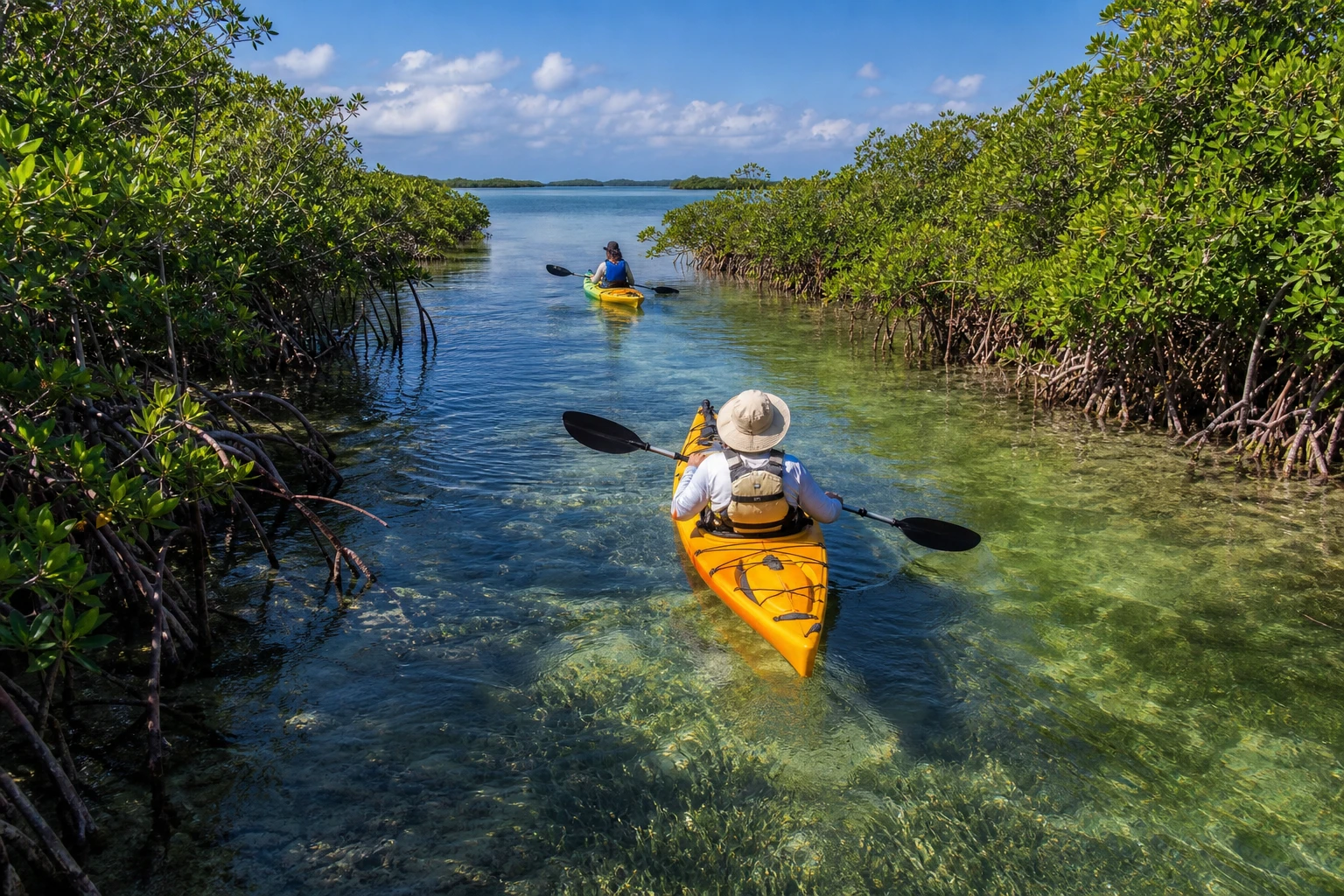
Key West Mangrove Kayak Eco Tour
Along with your experienced guide you will paddle at a relaxing pace and explore the shallow, calm, blue-green waters of the back country of Key West...
- Choose a guided marine eco-tour to explore mangrove, seagrass, reef, paddleboard, kayak, or wildlife-oriented experiences.
- Favor a guided outing over private boating if you are unfamiliar with the shallow waters and changing navigation challenges of the Keys.
- Visit National Key Deer Refuge early in the morning or toward sunset for the strongest chance of seeing Key deer.
- Use Blue Hole Observation Platform for a short, paved, accessible wildlife stop in the Lower Keys.
- Treat Dry Tortugas as a dedicated day trip or overnight addition, not a quick activity between other Key West plans.
Build an itinerary around one main experience rather than trying to force all three into a short stay. Marine tours suit travelers who want to be on the water. The refuge is a worthwhile detour for patient wildlife watchers. Dry Tortugas is for visitors ready to reserve transportation and give the park the time its distance deserves.
| Experience | Best fit | What makes it different |
|---|---|---|
| Guided marine eco-tour | A flexible Key West water activity | Guided kayak, paddleboard, reef, and wildlife-oriented options can explore the connected mangrove, seagrass, and reef environment. |
| National Key Deer Refuge | Land-based wildlife viewing in the Lower Keys | Key deer viewing, Blue Hole, and a short accessible observation route offer a change of pace from boating. |
| Dry Tortugas National Park | A dedicated day trip or overnight plan | The park sits roughly 70 miles west of Key West and is reached by ferry, seaplane, or private boat. |
| Private boating | Experienced boaters with appropriate local knowledge | It provides flexibility, but shallow waters, tidal flats, seagrass beds, and reefs create serious navigation challenges. |
Guided marine eco-tours: the best all-round choice near Key West
For most visitors, a guided marine outing is the clearest introduction to the natural systems around Key West. Look for an itinerary that states its focus plainly, such as mangroves, seagrass, reef habitat, paddling, or wildlife viewing. This helps match the day to your interests instead of booking a generic boat ride and hoping nature supplies the plot twist.
Look for a habitat-focused itinerary
Mangroves, seagrass meadows, and coral reefs function as linked habitats in the Florida Keys. A well-matched eco-tour gives those places, rather than speed or entertainment, the starring role. Guided kayak and paddleboard outings bring a slower format, while reef and wildlife-oriented trips can make more sense for travelers who prefer a boat-based route.
For a wider look at activity formats, the site's Tours guide can help place a nature outing among other Key West tours. Keep the choice simple: pick the tour that names the ecosystem or activity you most want to understand, then read the itinerary for its meeting details, time on the water, physical expectations, and inclusions.
Give preference to responsible operators
If a charter-based outing is on your list, look for a Florida Keys National Marine Sanctuary Blue Star operator and verify that designation directly before booking. Blue Star operators follow safe wildlife-viewing practices. Guided travel is also the more comfortable default for newcomers: Keys waters are shallow and complex enough to challenge experienced boaters, with grounding risks around seagrass beds, tidal flats, and coral reefs.
Do not judge an eco-tour by wildlife promises alone. Conditions, routes, and sightings vary. A stronger booking choice is one with a clear habitat-based plan, responsible viewing practices, and logistics that work for your group. Confirm the marine conditions and the operator's status the day before and again on the day of any water excursion.

Key West Glass-Bottom Boat Tour with Sunset Option
Step aboard the Pride of Key West, the island’s only Glass Bottom Boat. This family-friendly tour invites you to e...

Jimmy Buffett Tour
You will begin this 1 hour and 30 minute guided tour by meeting your tour guide, (who will be wearing a neon green s...

The Hemingway Experience in Key West
The Hemingway Experience celebrates Key West’s most infamous author, Ernest “Papa” Hemingway, with a historica...
National Key Deer Refuge: a rewarding Lower Keys wildlife detour
National Key Deer Refuge is the best land-based wildlife option for visitors willing to leave Key West proper for the Lower Keys. It is especially appealing if your group wants a nature stop without committing to a boat. Treat it as a focused wildlife visit, not a drive-through attraction: slow down, watch carefully, and give animals room.
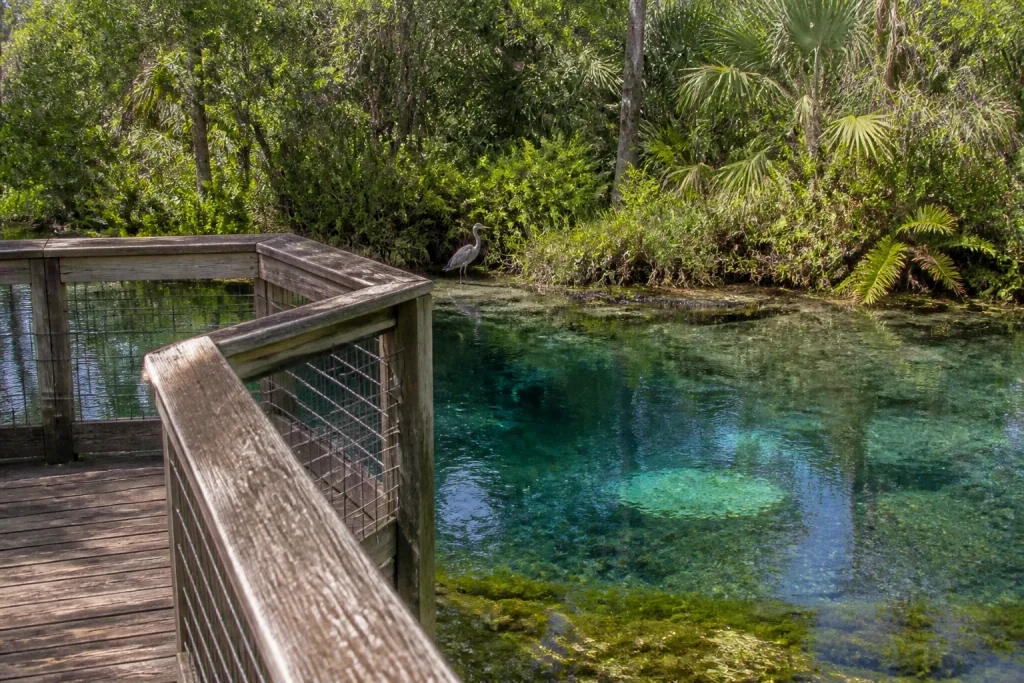
Time a Key deer visit for the best odds
Key deer are most often seen early in the morning or toward sunset, although sightings can happen at midday. Refuge lands are generally open from one-half hour before sunrise until one-half hour after sunset. That broad window gives road-trippers flexibility, but early and late visits are the sensible first choice when deer viewing is the priority.
Choose Blue Hole for an accessible wildlife stop
Blue Hole Observation Platform is the clearest accessible stop in the refuge. A short, shaded paved path leads from a paved parking lot to the platform. Watch the water and surrounding vegetation for alligators, wading birds, raptors, turtles, and fish. The refuge Nature Center is also described as accessible, making this a practical option for travelers planning around mobility needs.
For broader trip support, the Key West Accessibility Guide (Wheelchairs and Mobility) is a useful planning companion. Individual boat operators set their own transfer and vessel-access policies, so Blue Hole is the more straightforward choice when a paved route is essential. Check an operator's current accessibility information before reserving a water-based excursion.
Dry Tortugas National Park: the high-commitment nature escape
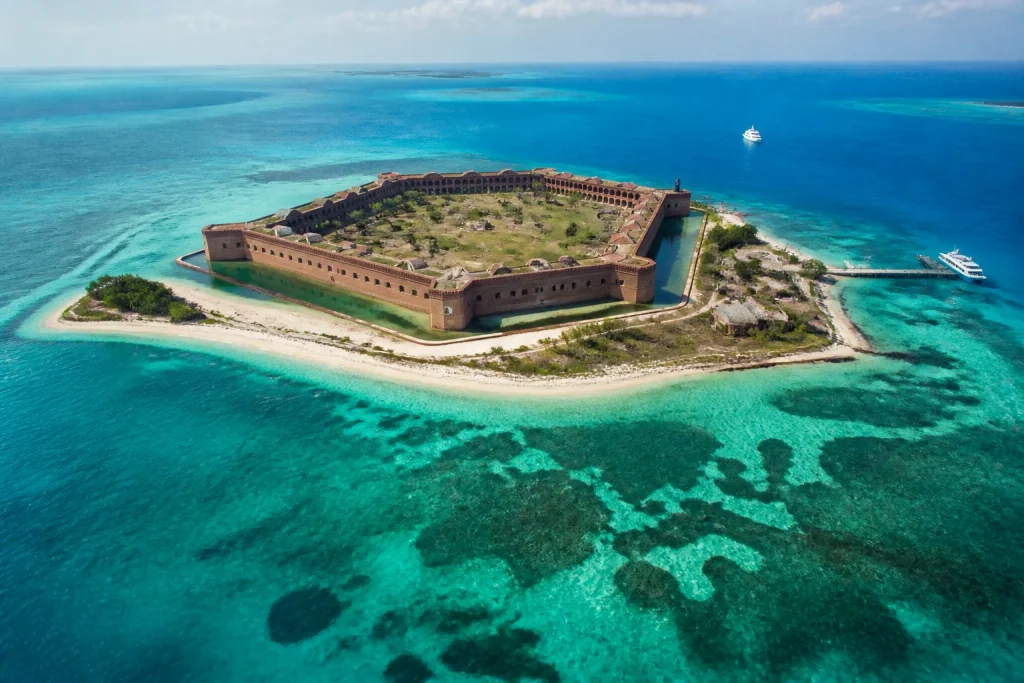
Dry Tortugas National Park is a major Key West nature experience, but it belongs in a different category from a local eco-tour. The park lies roughly 70 miles west of Key West, has no car access, and requires arrival by concession-operated ferry, seaplane, or private boat. Plan it as a dedicated day trip or an overnight addition to your stay.
Plan transportation before shaping the rest of the day
Ferry and seaplane schedules determine the pace of a Dry Tortugas visit, while private boats require their own careful planning. Most day visitors do not have time to reach Loggerhead Key. Compare the transport styles before committing: the Dry Tortugas Ferry vs Seaplane: Which Is Better guide is useful for that decision, while How to Get to Dry Tortugas From Key West covers the larger transport question.
Understand the park fee and the larger trip cost
Dry Tortugas National Park charges a $15 entrance fee per person for seven consecutive days. Visitors under 16 do not pay the entrance fee. A valid park pass can be shown at ferry or seaplane check-in to deduct the entrance fee from the transportation cost. Transportation, reservations, private-boat arrangements, and camping costs are separate parts of the trip, so review the option you select before paying.
The payoff is remoteness, but that same remoteness leaves little room for casual changes of plan. Confirm marine conditions and the status of your chosen transportation provider immediately before departure. Visitors who want to stay overnight can continue their planning with the Dry Tortugas Camping Guide, which is better suited to that deeper level of commitment.
Guided tour or private boat: make the safer choice for your skill level
Private boating offers flexibility, but it is not the easy shortcut it can appear to be on a map. NOAA warns that shallow Keys waters challenge even experienced boaters, and groundings can damage seagrass beds, tidal flats, and coral reefs. For visitors without local knowledge, a guided trip delivers a more relaxed route into backcountry, mangrove, flats, or reef environments.
| Choose a guided outing when… | Consider private boating only when… |
|---|---|
| You are new to Keys boating or want navigation handled for you. | You have the appropriate skills, local knowledge, and a plan suited to shallow-water conditions. |
| You want an itinerary built around mangroves, seagrass, reef habitat, paddling, or wildlife viewing. | Flexibility is more important than having a guide interpret the habitats you pass. |
| You want a responsible wildlife-viewing framework and less navigational pressure. | You understand that grounding can harm sensitive seagrass, tidal-flat, and coral-reef areas. |
Have a question about this guide?
Ask for tour ideas, hotel suggestions, or a simple trip plan that combines both.
Trip Helper
Wildlife and reef etiquette that protects the experience
The most memorable Key West nature outings depend on visitors leaving wildlife and habitat undisturbed. Observation-first behavior is not merely good manners. It protects fragile places and helps keep future wildlife encounters possible. Follow your guide's instructions, stay aware around roadside wildlife, and keep the urge for a closer photo in check.
Around reefs and seagrass
Florida Keys National Marine Sanctuary regulations prohibit damaging, disturbing, removing, or possessing coral, seagrass, shells, and other living or dead marine organisms in many circumstances. In Sanctuary Preservation Areas, snorkeling, diving, and boating are allowed, but fishing and collecting are generally prohibited. Never touch or stand on coral. A careful float above the reef is the right approach.
Around Key deer and roadside wildlife
Never feed Key deer, even when one approaches a person or vehicle. Drive with particular care in Key deer country from Big Pine and No Name Keys west to Lower Sugarloaf Key. If you stop to view wildlife, pull completely off the road before getting out or taking photographs. The goal is a sighting that leaves the animal's routine unchanged.
Practical planning for a Key West eco-tour day
Reserve the experience that best matches your available time first, then build meals, transport, and other activities around it. Read the booking details for the meeting point, exact itinerary, physical requirements, equipment, cancellation terms, and what is included. Those details differ by provider and trip type, especially for accessibility arrangements and water-based excursions.
Pack for sun, spray, and changing plans
Bring sun protection, drinking water, comfortable clothing that can get wet, and a way to protect essentials from spray. A Key West Packing List: What to Bring for Any Season can help refine the basics for your travel dates. For a refuge visit, add footwear suitable for a short paved walk and keep your camera ready without letting it distract you near roads.
Treat water conditions as part of the itinerary
Marine conditions can reshape an offshore or reef plan, particularly for Dry Tortugas travel. Reconfirm conditions and operator status the day before and on the day of departure. Leave enough flexibility in your schedule that a changed departure, altered route, or canceled water activity does not derail the rest of your Key West stay.
The best Key West eco-tour for your travel style
Choose a guided marine eco-tour for the most accessible introduction to Keys habitats. Choose National Key Deer Refuge for a patient, land-based wildlife outing with an excellent accessible stop at Blue Hole. Choose Dry Tortugas when a remote park experience is worth a full day or more. Whichever route you take, leave room in the plan to slow down, observe carefully, and let the ecosystems set the pace.
Key West Mangrove Kayak Eco Tour
Along with your experienced guide you will paddle at a relaxing pace and explore the shallow, calm, blue-green waters of the back country of Key West...

The Reach Key West, Curio Collection by Hilton
A beachfront Hilton Curio Collection resort in Old Town Key West with a private beach, pool, spa access, and easy access to Duval Street and Southernmost Point.
Check rates
Skip the Line: Mel Fisher Maritime Museum Admission Ticket and Audio Tour
Mel Fisher Maritime Museum is the only fully accredited museum in the Florida Keys. That means this is more than just an exciting adventure story - it...
Key West Mangrove Kayak Eco Tour
Along with your experienced guide you will paddle at a relaxing pace and explore the shallow, calm, blue-green waters of the back country of Key West...
Frequently asked questions
What are the best eco-tour options in Key West?
The best options are guided marine outings focused on mangroves, seagrass, reefs, paddling, or wildlife; a self-guided visit to National Key Deer Refuge; and a dedicated Dry Tortugas National Park excursion. The right choice depends on how much time you have and whether you prefer water, land wildlife, or a remote park day.
Are guided eco-tours better than private boating in Key West?
Guided trips are the stronger default for visitors unfamiliar with Keys waters. Shallow water, tidal flats, seagrass beds, and coral reefs create navigation challenges even for experienced boaters, while a guide can handle the route and support responsible wildlife viewing.
When is the best time to see Key deer?
Early morning and the period toward sunset offer the best odds of seeing Key deer, though sightings can occur at midday. Never feed deer, and pull completely off the road if you stop to watch wildlife.
Is Blue Hole Observation Platform accessible?
Yes. Blue Hole Observation Platform is reached by a short, shaded paved path from a paved parking lot, and it is described as accessible to everyone. The site is a good place to look for alligators, wading birds, raptors, turtles, and fish.
How much does it cost to enter Dry Tortugas National Park?
The Dry Tortugas entrance fee is $15 per person for seven consecutive days, while visitors under 16 enter without an entrance fee. Transportation, reservations, and other trip costs are separate, so check the ferry, seaplane, or private-boat option you choose.
Can visitors touch coral or collect shells on a Key West eco-tour?
No. Sanctuary regulations prohibit damaging, disturbing, removing, or possessing coral, seagrass, shells, and other marine organisms in many circumstances, and touching or standing on coral is prohibited. Observe the reef without taking anything from it.

Florida Keys Nature & History Tour from Key West
With your friendly and knowledgeable tour guide, this 4 Hour VIP Tour of the South Keys promises to amaze you. En route, you’ll learn the history, c...
Key West Mangrove Kayak Eco Tour
Along with your experienced guide you will paddle at a relaxing pace and explore the shallow, calm, blue-green water...

Key West Clear Kayak Eco Tour
Discover the natural beauty of Key West on our 2-Hour Guided Clear Kayak Eco Tour. Paddle through crystal-clear wate...
Hotel bases to compare after this tour
Once you have the tour shortlist, compare a few stays that can make the trip logistics easier.
The Reach Key West, Curio Collection by Hilton
A beachfront Hilton Curio Collection resort in Old Town Key West with a private beach, pool, spa access, and easy access to Duval Street and Southernmost Point.
Check rates
Hyatt Vacation Club at Beach House, Key West
Stay in a classic Key West–style, tropical getaway set up as residential-style retreats with manicured gardens and beachside comfort. A connecting on-property dock makes it easy to rent a kayak and head out for Gulf of Mexico water adventures. Plan a vacation that feels more like having your own place by the water.
Check ratesExperiences to explore
 Explore experience ↗
Dry Tortugas National Park Self-Guided Audio Tour
◷ 7 hr–8 hr
Explore an island paradise 70 miles west of Key West. Visit Fort Jefferson, a massive 19th-century coastal fort, and walk its brick wal
From $12.99 USD
View dates Explore experience ↗
Dry Tortugas National Park Boat Charter from Key West
◷ 8 hr
Explore the stunning Dry Tortugas National Park with a private boat charter tailored just for you. Departing from Key West, enjoy a ful
From $1,699.00 USD
View dates Explore experience ↗
Key West Private Wildlife Refuge Eco Boat Tour
◷ 3 hr
This private eco boat tour focuses on the Key West National Wildlife Refuge and its mangroves, islands, flats, and coastal habitats. Yo
From $895.50 USD
View dates