
Key West National Wildlife Refuge Tours: Best Ways to Explore
Explore Key West National Wildlife Refuge by private charter or your own boat, with practical advice on routes, activities, timing, rules, costs, and responsible trip planning.
Key West National Wildlife Refuge begins where the road ends. This 375-square-mile expanse of open water, the Marquesas Keys, and 13 other islands lies west of Key West and can be reached only by boat. For most visitors, the simplest way to experience it is on a private eco-tour or fishing charter. Experienced boaters with a suitable vessel can create their own route, provided they understand local navigation and refuge rules.
- The refuge is boat-only, reached by private vessel, a Lower Florida Keys ramp, or a private charter.
- A private charter suits travelers who want help with the boat, navigation, and day’s logistics.
- Self-guided boating offers more control, but requires sound shallow-water awareness and attention to zoning rules.
- Boating, fishing, wildlife viewing, photography, snorkeling, and diving are permitted water-based activities.
- Some islands have additional Wildlife Management Area rules, so water access does not mean every island is open for landing.
Choose the trip style that fits your boating experience
The best way to explore depends on what you want from the day. A private charter is the practical choice for visitors without a boat and for anyone who would rather focus on the water and islands than launching, navigating, and returning through changing marine conditions. A self-guided outing rewards prepared boaters with more flexibility, but it carries more responsibility from the first ramp to the final dock line.

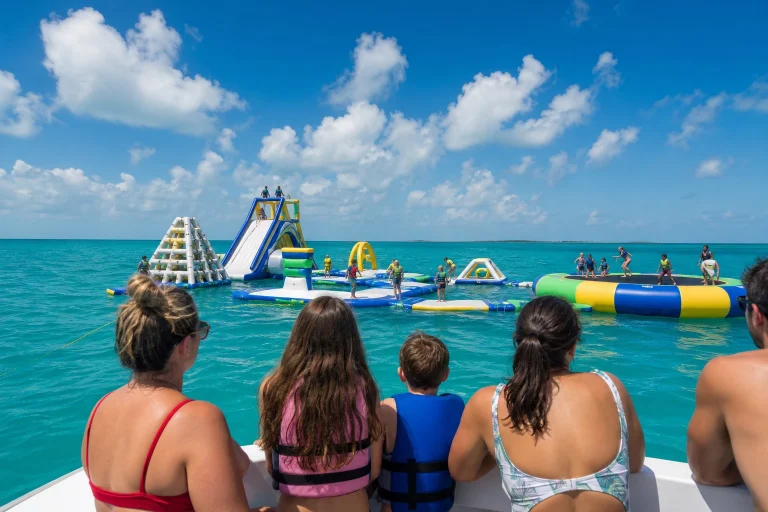
Half-Day Trip from Key West with Kayaking, Snorkeling & Sunset
This trip combines sailing, snorkeling, kayaking, and local insight in a laid-back, small-group setting. You'll sail on an authentic schooner into the...
| Option | Best for | Main advantage | Main consideration |
|---|---|---|---|
| Private eco-tour or fishing charter | Visitors without a vessel; travelers wanting local boat handling | Removes the boat and navigation burden | Routes, group size, activities, availability, and fares depend on the operator |
| Self-guided private boat | Confident boaters with an appropriate vessel | Control over departure time and route | Requires navigation skill, shallow-water awareness, and compliance with refuge zones |
Private charters: the easiest route for most visitors
For visitors without their own vessel, the refuge directs travelers to private charter fishing and eco-tour services. Start by deciding what you want to prioritize: wildlife viewing, photography, a snorkeling or diving focus, or fishing. Then ask the operator about the planned area, activity inclusions, boarding arrangements, and the conditions that could alter the itinerary. A Key West fishing charters guide is useful if angling is the main reason for getting on the water.
A charter does not give automatic access to every island or shoreline in the refuge. A responsible captain plans around current conditions and applicable zones, while guests can enjoy the wide-open setting without taking on the work of route planning. Travelers interested in underwater activities should also consult a Key West scuba diving for beginners guide before choosing a dive-oriented outing, especially if they are new to the equipment and pace of a boat day.
Self-guided boating: flexibility with real responsibilities
Self-guided visitors can arrive in their own vessel or use public or private boat ramps in the Lower Florida Keys. This option makes sense for capable boaters who are comfortable reading the day’s conditions, navigating local waters, and following site-specific restrictions. Before departing, review the current refuge maps and island zoning, check ramp conditions, and make sure everyone aboard understands the plan for the day.
The appeal is freedom to shape the trip around your interests, not a promise of unrestricted exploration. Shallow-water awareness and refuge rules matter as much as a flexible schedule. Personal watercraft, hovercrafts, and airboats are prohibited in the refuge, so choose an allowed vessel and use it thoughtfully.
What you can do in Key West National Wildlife Refuge
The refuge is built for water-based exploration. Boating, fishing, wildlife viewing, photography, snorkeling, and diving are all permitted activities in refuge waters. That gives a charter or private-boat day several possible rhythms: a slow photography-focused cruise, an angling trip, a snorkel or dive plan, or an outing that simply leaves room to watch the islands and surrounding water unfold at a measured pace.
The Marquesas Keys are part of a much larger refuge landscape, so a satisfying visit does not require trying to cover everything. Pick one central purpose, then let conditions and the captain’s or skipper’s judgment shape the details. The refuge waters are open around the clock throughout the year for permitted activities, but daylight is the sensible window for sightseeing, photography, wildlife viewing, and easier navigation.
Treat island landings as a privilege, not an assumption
Not all islands follow the same access rules. Boca Grande Key, the Marquesas Keys, Snipes Keys, Marvin Key, and Contents Keys are identified as Wildlife Management Areas with additional island-specific zoning regulations and maps. A vessel can be legally traveling through refuge waters without every nearby shore being available for landing or use. Build your plan around the current maps rather than a casual shoreline stop.

Key West Half-Day Fishing Charter
Fish like never before! Our custom build 64' catamaran is perfect for a more stable, relaxing ride. You'll fish for...
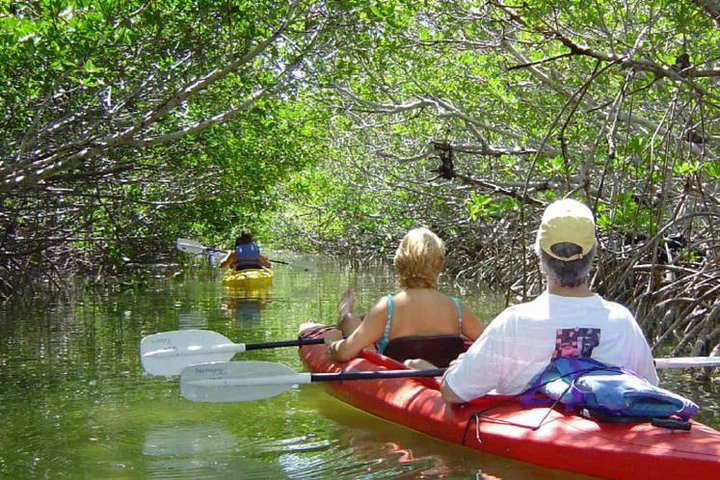
Key West Mangrove Kayak Eco Tour
Along with your experienced guide you will paddle at a relaxing pace and explore the shallow, calm, blue-green water...

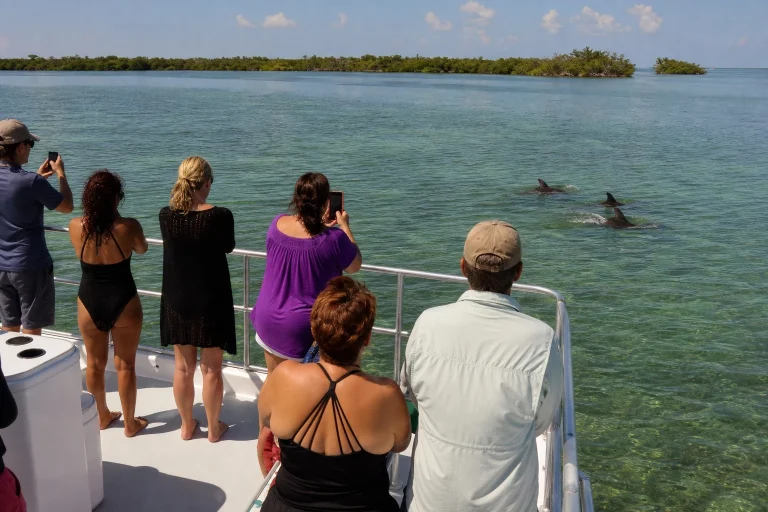
Key West Glass-Bottom Boat Tour with Sunset Option
Step aboard the Pride of Key West, the island’s only Glass Bottom Boat. This family-friendly tour invites you to e...
Plan around daylight, weather, and the day’s sea conditions
There is no single departure time or season that fits every refuge trip. Let the charter’s departure schedule lead if you are booking a guided outing. For a private boat, choose a daylight window that gives you comfortable time on the water and a margin for the return. The marine forecast, sea state, ramp conditions, and current navigation or zoning information deserve a final check immediately before departure.

This is a place where the day’s conditions set the tempo. A prudent plan has room for a shorter route, a revised activity, or a change in the launch decision when the water calls for it. Charter guests should check their confirmation for the meeting point and departure details, then watch for any operator updates before heading to the marina or ramp.
Book smartly and budget for the full boat day
There is no one standard price for Key West National Wildlife Refuge tours. Charter fares, availability, itinerary length, passenger count, and inclusions are set by individual operators. When comparing options, focus first on the type of outing and the operator’s stated plan, then on what is included. A low headline fare is less useful than a clear picture of the boat trip you are actually booking.
- Ask which refuge area or activity the trip is designed around.
- Confirm the departure point, boarding process, group size, and total time you should reserve.
- Check which equipment is supplied and what guests need to bring.
- Review the operator’s weather, cancellation, and change-of-itinerary policies.
- For self-guided outings, account separately for ramp, parking, fuel, equipment, permits, and any other costs tied to your chosen launch and plan.
FWS also identifies the Nature Center for the four Florida Keys National Wildlife Refuges at 30587 Overseas Highway on Big Pine Key as a planning resource. It is not a boarding point for Key West National Wildlife Refuge, which remains accessible only by boat.
Pack for a practical day on open water
A refuge outing is a boat trip first, so pack with open water in mind. Bring drinking water, sun protection, a hat, a light layer for wind or rain, personal medications, and a secure way to protect your phone and other essentials from spray. If you are prone to motion discomfort, prepare before boarding. Wear footwear suited to a boat and only plan for a shore stop when your captain or current refuge rules allow it.
Keep belongings compact and easy to stow. Bulky beach setups can be impractical on smaller vessels, and beach pets are not permitted in the refuge. A Key West packing list for any season can help with the rest of your on-land stay, but your boat operator’s instructions should guide the final gear choice for this particular outing.
Follow refuge rules and leave the water cleaner than you found it
The most rewarding refuge trips are low-impact ones. Do not feed or harass wildlife, and take all litter home, including fishing line. Removing antiquities is prohibited. Island camping is also prohibited, so plan your visit as a day on the water rather than an overnight island escape.

- Do not bring pets onto refuge beaches.
- Do not use personal watercraft, hovercrafts, or airboats.
- Do not waterski or tow tubes in the refuge.
- Do not hunt or discharge firearms.
- Use authorized moorings where provided and follow the rules for the specific area.
- Remember that sanctuary guidance never overrides a refuge closure or an island-specific restriction.
The wider Florida Keys marine environment includes mooring-buoy systems intended to reduce reef damage. Use authorized moorings when they are provided, and always follow the most site-specific rule in front of you. Good seamanship here is simple: know the zone, avoid damaging sensitive areas, and leave no trace of the visit behind.
Still comparing Key West National Wildlife Refuge Boat Tours?
Ask for tour ideas, hotel suggestions, or a simple trip plan that combines both.
Trip Helper
Accessibility: confirm the boat details before paying
The central accessibility challenge is getting aboard a boat. The refuge itself is boat-only, and boarding conditions can differ significantly by vessel, dock, tide, and itinerary. Travelers who need step-free boarding, transfer assistance, mobility-device storage, shade, or an onboard restroom should discuss those needs with a prospective charter before booking. A Key West accessibility guide for wheelchairs and mobility can help coordinate the wider trip beyond the marina.
The best Key West National Wildlife Refuge tour is the one planned for the water
Choose a private charter if you want the straightforward path to this boat-only refuge, or go self-guided only when you have the vessel, skill, and preparation to manage the day responsibly. The reward is a broad stretch of protected islands and open water that feels far removed from town. Set one clear priority, check current marine conditions and zoning before departure, and give the place the care it asks for.
Frequently asked questions
How do you get to Key West National Wildlife Refuge?
You get there by boat. Visitors can use their own vessel, launch from public or private boat ramps in the Lower Florida Keys, or book a private charter fishing or eco-tour service.
Are Key West National Wildlife Refuge tours available for visitors without a boat?
Yes. Visitors without their own vessel can use a private charter fishing or eco-tour service. The trip’s route, activities, group size, schedule, and fare depend on the operator selected.
Can you snorkel or dive in Key West National Wildlife Refuge?
Yes, snorkeling and diving are permitted water-based activities in refuge waters. Follow current site-specific rules and use authorized moorings where they are provided.
Can you land on the islands in Key West National Wildlife Refuge?
Landing is not automatically allowed everywhere. Several islands, including the Marquesas Keys, have additional Wildlife Management Area zoning regulations, so check current refuge maps before planning a shore stop.
Can you camp or bring a dog to Key West National Wildlife Refuge?
No. Island camping is prohibited, and pets are not allowed on refuge beaches.
Is Key West National Wildlife Refuge accessible for travelers with mobility needs?
Accessibility depends largely on the boat and boarding arrangement because the refuge is reached only by water. Confirm step-free boarding, transfer help, mobility-device storage, shade, and restroom details with the charter before booking.
Hotel bases to compare after this tour
Once you have the tour shortlist, compare a few stays that can make the trip logistics easier.

Hyatt Vacation Club at Beach House, Key West
Stay in a classic Key West–style, tropical getaway set up as residential-style retreats with manicured gardens and beachside comfort. A connecting on-property dock makes it easy to rent a kayak and head out for Gulf of Mexico water adventures. Plan a vacation that feels more like having your own place by the water.
Check rates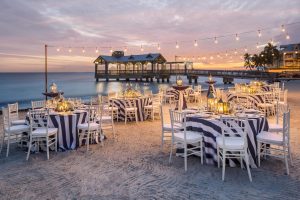
The Reach Key West, Curio Collection by Hilton
A beachfront Hilton Curio Collection resort in Old Town Key West with a private beach, pool, spa access, and easy access to Duval Street and Southernmost Point.
Check ratesHalf-Day Trip from Key West with Kayaking, Snorkeling & Sunset
This trip combines sailing, snorkeling, kayaking, and local insight in a laid-back, small-group setting. You'll sail on an authentic schooner into the...
The Reach Key West, Curio Collection by Hilton
A beachfront Hilton Curio Collection resort in Old Town Key West with a private beach, pool, spa access, and easy access to Duval Street and Southernmost Point.
Check ratesKey West Half-Day Fishing Charter
Fish like never before! Our custom build 64' catamaran is perfect for a more stable, relaxing ride. You'll fish for a wide variety of the tropical fis...
Key West Mangrove Kayak Eco Tour
Along with your experienced guide you will paddle at a relaxing pace and explore the shallow, calm, blue-green waters of the back country of Key West...