Best Key West Tours for Adventure Travelers
Choose the right Key West adventure tour with this practical comparison of backcountry eco charters, fishing trips, snorkeling, scuba diving, and Lower Keys wildlife outings.
Key West rewards travelers who leave the pavement behind. The most compelling adventures unfold on the water, where a small boat can carry you toward wildlife habitat, fishing grounds, and places suited to snorkeling or diving. The best choice depends less on finding one universal winner and more on matching the boat, group size, activity level, and itinerary to your interests.
- Choose a small-boat backcountry eco or snorkel charter for the strongest blend of nature, water access, and flexibility.
- Book a dedicated fishing, snorkeling, or scuba trip when one activity matters more than variety.
- Do not expect personal watercraft tours to enter Key West National Wildlife Refuge, where personal watercraft are prohibited.
- Compare total time on the water, equipment inclusions, fees, and weather policies rather than judging by the headline price.
- Add National Key Deer Refuge early in the morning or near sunset for a lower-intensity land adventure.
For most adventure travelers, a small-boat backcountry excursion is the best starting point. Fishing charters suit focused anglers, while dedicated snorkel and scuba outings prioritize underwater time. Travelers who prefer solid ground can explore selected trails and wildlife-viewing areas in the Lower Keys. A broader Key West tours overview can help place these active options alongside the island’s less strenuous excursions.
Match the tour format to your adventure style
Start by deciding what you want to spend most of the trip doing. A combination tour offers variety, but each activity receives less time. A dedicated trip gives fishing, snorkeling, or diving the center of attention. Private and small-group charters can also make it easier to discuss pace, interests, and physical needs before departure, although exact arrangements depend on the operator and vessel.
| Tour style | Best for | Main tradeoff |
|---|---|---|
| Backcountry eco or snorkel charter | Wildlife viewing, boating, and a flexible nature-focused day | Requires boat access and remains subject to operator availability and conditions |
| Fishing charter | Travelers who want most of the outing devoted to angling | Equipment, fishing time, and inclusions vary by booking |
| Dedicated snorkel or scuba trip | Travelers who value underwater time over a mixed itinerary | Boat access and individual mobility requirements need careful review |
| Lower Keys wildlife outing | A lower-intensity adventure with trails and viewing areas | Requires road travel and does not replace a boat excursion |
| Personal watercraft tour | Travelers seeking a motorized ride outside protected refuge waters | Personal watercraft are prohibited in Key West National Wildlife Refuge |
Best overall: a small-boat backcountry eco and snorkel charter
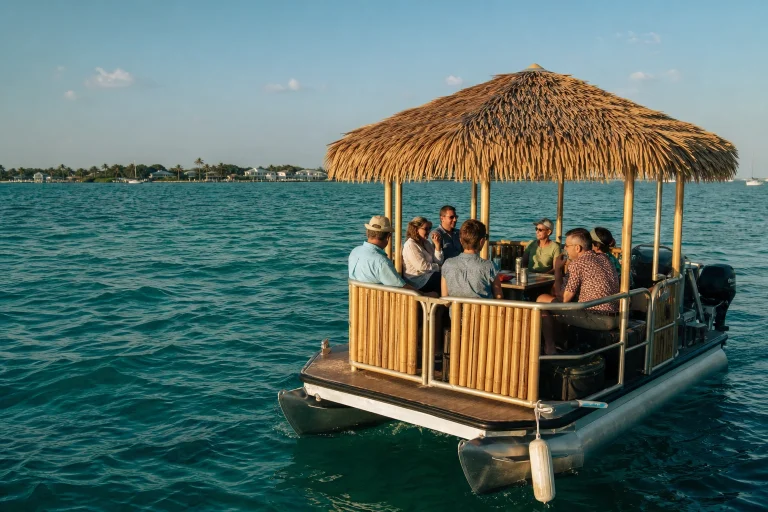
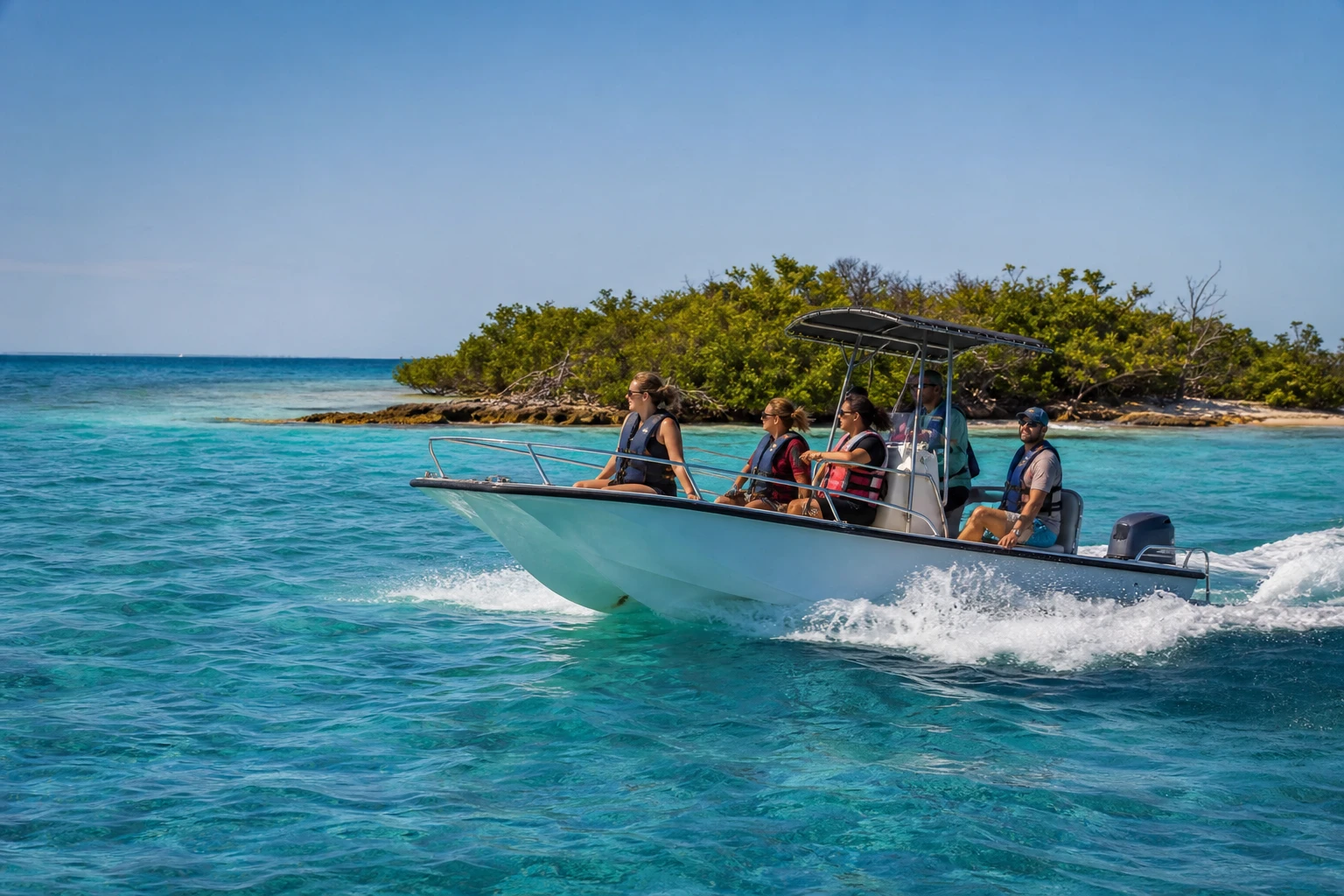
A small-boat charter is the strongest all-around choice for nature-minded adventure travelers. Key West National Wildlife Refuge is accessible only by boat, and commercial eco-tour and private charter services provide access for visitors who do not have a vessel. The refuge supports boating, fishing, wildlife viewing, snorkeling, and diving, giving this tour category an unusually broad range of possible activities.
Look for an itinerary that explains how much time is devoted to travel, wildlife observation, and entering the water. A long activity list can sound appealing while leaving only brief windows for each stop. Adventure travelers usually get more value from a well-paced route with two or three priorities than a schedule crowded with rushed transitions.
Boat access is the defining advantage and the main logistical constraint. Visitors must use their own boat or a commercial charter to reach the refuge, although public and private ramps exist across the Lower Florida Keys. Refuge waters are open year-round for water-based recreation, but charter schedules and safe operating conditions remain specific to the operator and day.
Ask where the boat plans to operate and which activities are expected rather than guaranteed. Wind, water conditions, and wildlife movement can shape the route. A responsible captain should protect the habitat instead of forcing a fixed plan when local conditions call for an adjustment.
Best for a focused challenge: a fishing charter
Choose a fishing charter when angling is the purpose of the day rather than one item on a combination tour. Private charter fishing services are available for access around Key West National Wildlife Refuge, and fishing is among the refuge’s supported recreational activities. The format lets travelers concentrate on technique and time spent fishing instead of dividing the outing among unrelated activities.
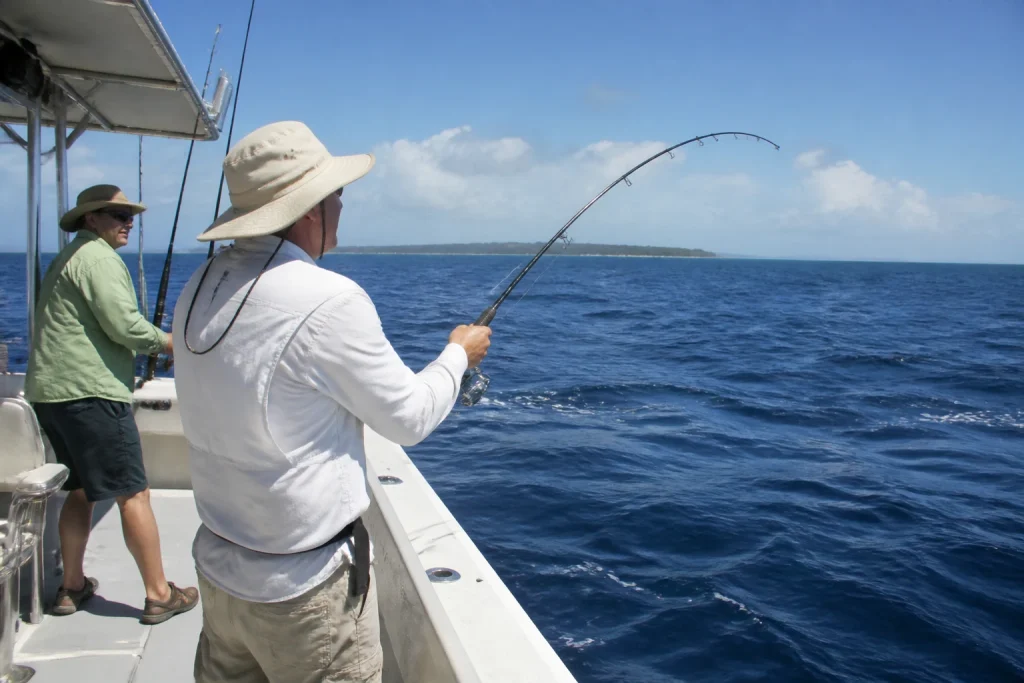
Before booking, compare the advertised trip length with the expected time spent traveling and fishing. Check which tackle or other gear is included, what participants should bring, and whether any fees apply. The Key West Fishing Charters: Complete Guide provides a deeper look at selecting a fishing trip for your goals.
Group composition matters here. A serious angler may prefer a trip built around one fishing style, while a mixed-interest group may be happier with a flexible private outing. Share experience levels and physical needs before booking so the operator can explain the vessel setup and expected pace.
Still comparing Sightseeing?
Ask for tour ideas, hotel suggestions, or a simple trip plan that combines both.
Trip Helper
Best for underwater time: dedicated snorkeling or scuba tours
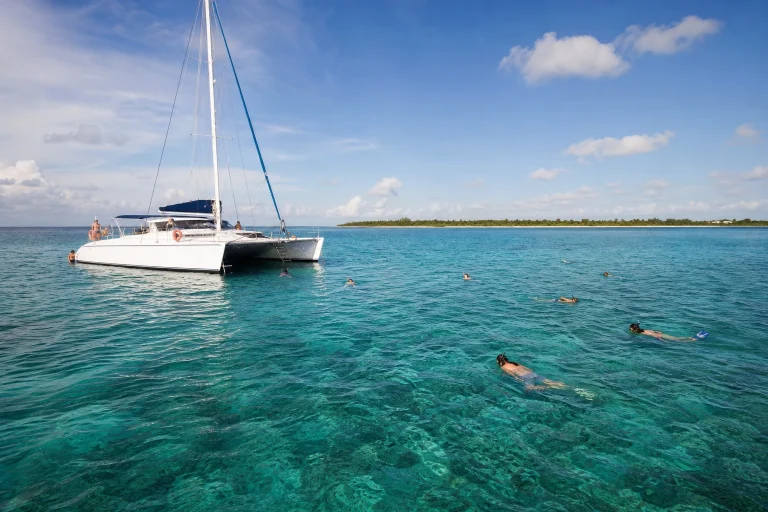
Dedicated snorkeling and scuba trips make sense when getting into the water matters more than sightseeing from the deck. Both snorkeling and diving are supported recreational activities in Key West National Wildlife Refuge. A dedicated outing generally offers a clearer activity focus than a broad combination tour, though the actual route and water entry depend on conditions and the selected operator.
Snorkelers should compare equipment inclusions, flotation options, water-entry arrangements, and the amount of guided time. Scuba travelers need to examine the trip description for experience requirements and equipment details. The Best Scuba Diving Tours in Key West guide is a useful next step for comparing dedicated dive formats.
Do not assume that every boat, ladder, dock, or water-entry method suits every traveler. Ask for a practical description of boarding, seating, restroom access, ladders, and assistance. That short conversation is more useful than relying on a generic accessibility label.
Best lower-intensity add-on: National Key Deer Refuge
Travelers with a car can add a land-based wildlife outing at National Key Deer Refuge. The refuge offers wildlife viewing, hiking, and biking on many designated routes. Nearby outdoor opportunities also include shallow-water snorkeling and diving, boating, and fishing. This works best as a separate Lower Keys excursion rather than something squeezed into the middle of a boat-tour day.
Plan the wildlife stop early in the morning or toward sunset, when Key deer are most likely to be seen. These cooler parts of the day also reduce the strain of sun exposure. Never feed, touch, capture, or harass the deer. If you stop along a road, obey speed limits and pull fully off the roadway before watching wildlife.
Blue Hole offers the clearest accessible land option. A short paved route leads from a paved parking area to an observation platform and is described as accessible to everyone. Mannillo Trail has a hardened crushed-limestone surface and benches. Other refuge routes can be rustic, uneven, slippery, or inundated during the rainy season, so choose the trail rather than treating the whole refuge as one accessibility category.
Plan the departure area and schedule carefully
The Historic Seaport is a useful reference point when orienting yourself around the waterfront. The city describes the area as having year-round dockage and broad marina amenities. That does not mean every adventure boat leaves from there, so use the meeting point in your confirmation rather than assuming a departure dock.
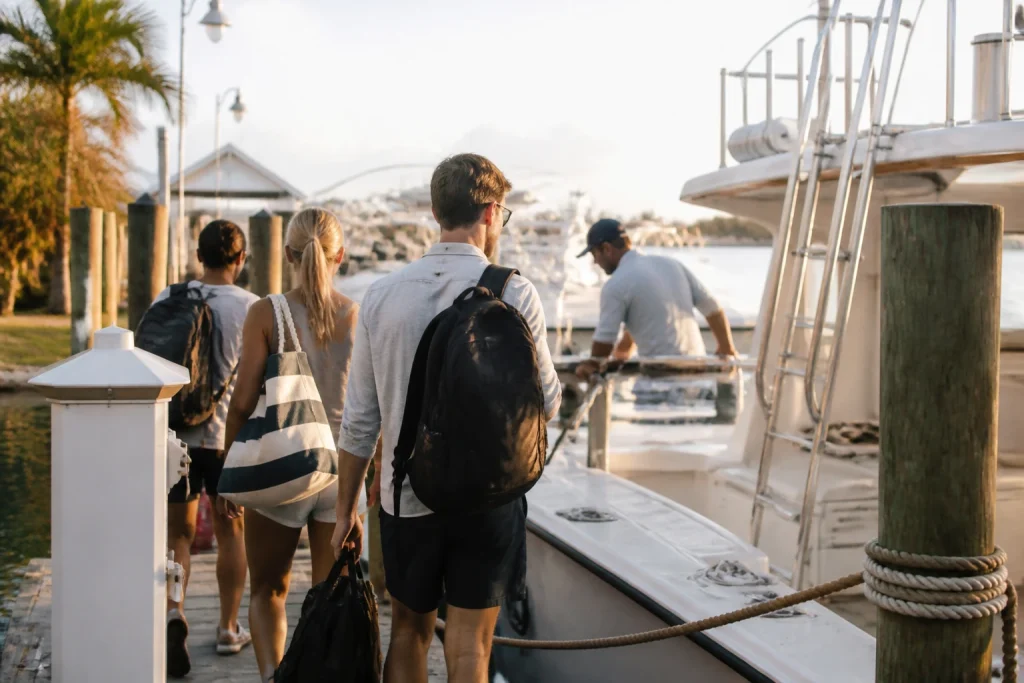
Check the exact check-in location before planning transportation. Also determine whether the meeting point is a storefront, marina gate, dock, or another waterfront location. The guide to Getting Around Key West Without a Car can help you plan the trip between your accommodation and the departure area without building the day around a rental vehicle.
Avoid placing another fixed reservation immediately after a boat tour. Check-in, boarding, changing conditions, and the walk back from the dock can consume more time than expected. Leaving breathing room also gives you a chance to rinse off saltwater, change clothes, and recover from several hours in the sun.
Compare real value instead of headline prices
Tour prices vary by date, duration, vessel, group size, and package. Compare the full booking details rather than assuming the lowest initial figure represents the lowest total. A shorter private trip and a longer shared outing can deliver very different experiences even when their prices look similar at first glance.
- Compare total duration with the expected time actually spent on the water or doing the main activity.
- Check whether snorkel equipment, fishing tackle, flotation gear, or other necessary items are included.
- Review taxes, booking charges, and any reef or refuge fees that apply to the selected trip.
- Look at gratuity expectations and decide what belongs in the day’s complete budget.
- Read the weather-cancellation and rescheduling terms before paying.
- Confirm the group size, vessel type, meeting point, and accessibility arrangements.
Duration deserves special attention. “Half day” or similarly broad labels do not tell you how long the boat spends reaching the activity area. Look for a clear itinerary and ask one concise question if transit time remains unclear. This makes comparisons more meaningful without reducing every choice to price alone.
Treat accessibility as an activity-by-activity question
Accessibility differs among docks, vessels, trails, ladders, and water-entry methods. The accessible paths documented at National Key Deer Refuge do not establish accessibility for commercial boats, snorkeling trips, or dive tours. Travelers with mobility needs should describe the required assistance and ask how boarding and movement around the specific vessel work.
Useful questions cover steps, handrails, seating, shade, restroom access, storage for mobility equipment, and the distance between check-in and the boat. Travelers who want more destination-wide planning advice can consult the Key West Accessibility Guide for wheelchairs and mobility.
A lower-intensity day does not have to mean staying indoors. Blue Hole’s paved access and observation platform create a practical wildlife option, while Mannillo Trail offers a hardened surface and benches. Rustic trails demand more caution because surfaces can be uneven, slippery, or affected by seasonal water.
Follow refuge rules while seeking adventure
Adventure in protected waters comes with firm limits. Key West National Wildlife Refuge prohibits personal watercraft, hovercraft, airboats, waterskiing, and towing activities. Camping on refuge islands is also prohibited. Some islands have additional zoning rules, so captains and independent boaters must follow current notices, posted signs, and marked boundaries.
Feeding or harassing wildlife and leaving litter are prohibited. These rules help distinguish a responsible eco outing from a tour that treats wildlife encounters as entertainment on demand. Observe animals without pressuring the captain to approach too closely or prolong an encounter.
A personal-watercraft excursion can still be a separate type of Key West activity, but it is a poor match for a refuge-centered itinerary. If a description combines high-speed riding with refuge access, clarify the route before booking. Protected areas should never be treated as shortcuts or open riding zones.
Pack for sun, spray, insects, and uneven ground
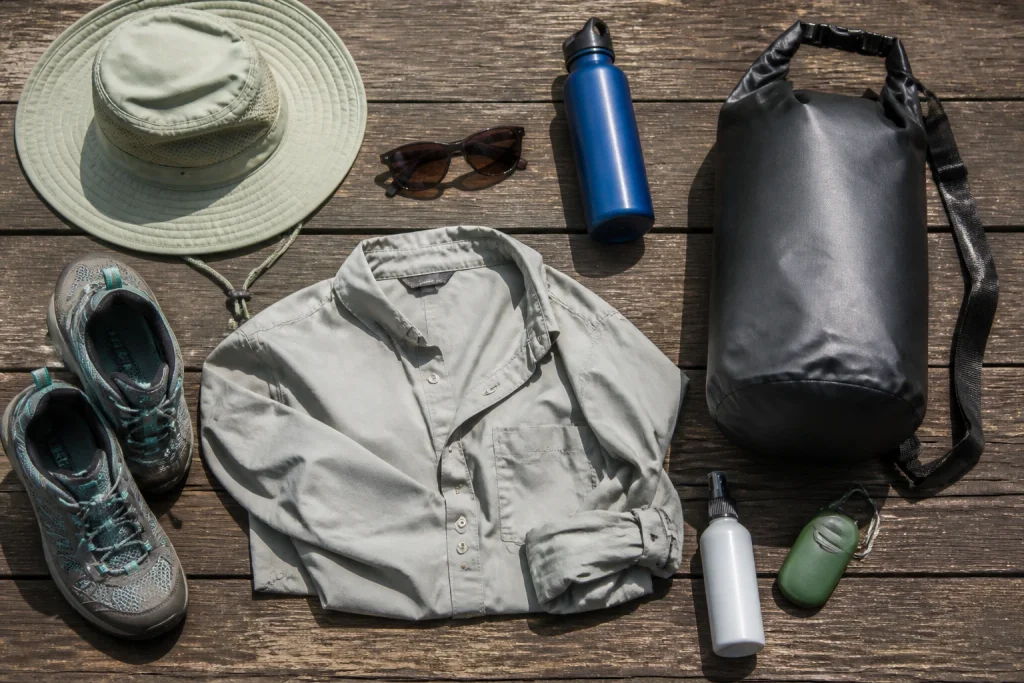
Bring water and reliable sun protection for outdoor touring in the Lower Keys. Seasonal mosquitoes can affect land outings, and sturdy footwear is appropriate for refuge trails. Rustic paths can be slippery or uneven, while rainy-season water can cover portions of some routes. Poisonwood is another reason to stay on designated paths and avoid brushing against unfamiliar vegetation.
- Water in a reusable, secure container
- Sun-protective clothing and other sun protection
- Sturdy footwear for land trails
- A dry change of clothes for after water activities
- Insect protection for seasonal mosquitoes
- Any personal medication needed during the scheduled outing
Keep loose belongings contained on the boat and follow the operator’s instructions about what can be carried aboard. Pack only what you can manage around docks, ladders, and compact seating areas. The Key West Packing List offers broader guidance for preparing for the destination in any season.
Build an adventure itinerary that leaves room to adapt
Make one water excursion the anchor of the day. Choose a backcountry charter for variety, a fishing trip for a focused challenge, or a dedicated snorkel or scuba boat for underwater time. Schedule meals, sightseeing, and evening plans around that anchor instead of forcing the tour into a crowded itinerary.
Use another day for the Lower Keys if Key deer and trails interest you. An early wildlife stop can take advantage of the better viewing window, while a late visit can work after other daytime plans. Avoid turning roadside wildlife viewing into an improvised traffic stop. Pull fully off the road and respect posted speed limits.
Keep a flexible alternative in mind if a water trip changes. Commercial departures depend on operator schedules and suitable conditions even though refuge waters are generally open year-round for recreation. Read the cancellation terms in advance so a weather change becomes a scheduling problem rather than a budget surprise.
The best choice for most adventure travelers
A small-boat backcountry eco and snorkel charter is the best overall fit for travelers who want active time, wildlife viewing, and access beyond Key West’s streets. A dedicated fishing, snorkeling, or scuba trip is better when one pursuit defines the day. The main limitation is variability in routes, conditions, vessel setup, and inclusions, so compare the complete trip rather than the activity name alone.
Choose the format first, then compare group size, time on the water, equipment, meeting point, physical demands, and cancellation terms. That approach leads to a better match than chasing a single “best” company. Once booked, review the confirmation, pack for sun and spray, and leave enough space in the day to enjoy the trip without watching the clock.
Frequently asked questions
What is the best Key West tour for adventure travelers?
A small-boat backcountry eco and snorkel charter is the best all-around option for most adventure travelers. It can combine boating, wildlife viewing, snorkeling, and access to Key West National Wildlife Refuge, which can only be reached by boat.
Can I visit Key West National Wildlife Refuge without owning a boat?
Yes, visitors without a boat can use commercial eco-tour, fishing, or private charter services. Departure points, schedules, routes, and activity combinations vary by operator.
Can jet skis or other personal watercraft enter Key West National Wildlife Refuge?
No, personal watercraft are prohibited in Key West National Wildlife Refuge. Hovercraft, airboats, waterskiing, and towing activities are also prohibited, making these activities unsuitable for a refuge-focused tour.
Do Key West adventure tours operate year-round?
Water-based recreation is available year-round in the refuge, but that does not guarantee daily commercial departures. Tour schedules, operator availability, weather decisions, and cancellations vary, so check the selected trip’s current booking terms.
How much do Key West adventure tours cost?
Prices vary by date, duration, group size, vessel, and package. Compare the all-in total, equipment inclusions, applicable fees, gratuity expectations, time devoted to the main activity, and weather-cancellation policy before booking.
Are Key West boat tours wheelchair accessible?
Accessibility depends on the specific dock, vessel, boarding method, and activity. Accessibility documented for certain National Key Deer Refuge trails does not apply automatically to boats, snorkeling, or diving, so confirm the physical setup with the operator before booking.
When is the best time to look for Key deer?
Early morning and the period toward sunset are the best viewing windows for Key deer. Never feed or touch them, and fully pull off the road if stopping to observe wildlife.
What should I bring on a Key West outdoor tour?
Bring water, sun protection, and clothing appropriate for an exposed outdoor outing. Sturdy footwear and seasonal insect protection are useful for Lower Keys trails, which can be uneven, slippery, or affected by rainy-season water.
Hotel bases to compare after this tour
Once you have the tour shortlist, compare a few stays that can make the trip logistics easier.

The Reach Key West, Curio Collection by Hilton
A beachfront Hilton Curio Collection resort in Old Town Key West with a private beach, pool, spa access, and easy access to Duval Street and Southernmost Point.
Check rates
Hyatt Vacation Club at Beach House, Key West
Stay in a classic Key West–style, tropical getaway set up as residential-style retreats with manicured gardens and beachside comfort. A connecting on-property dock makes it easy to rent a kayak and head out for Gulf of Mexico water adventures. Plan a vacation that feels more like having your own place by the water.
Check rates