Dry Tortugas National Park: Complete Guide
Learn how to reach Dry Tortugas National Park, what Fort Jefferson hides, and why this remote island adventure demands more planning than most.
You might not know that Dry Tortugas National Park sits about 70 miles west of Key West, far out in the Gulf, with no roads, no hotels, and one huge brick fort rising from pale blue water. You get there by ferry or seaplane, then step into a place where reef fish flash over shipwrecks and seabirds wheel overhead. The logistics take planning, but that’s part of the intrigue.
Key Takeaways
- Dry Tortugas National Park lies 70 miles west of Key West, spanning seven islands, coral reefs, seagrass beds, shipwrecks, and mostly underwater habitat.
- Garden Key is the main stop, home to Fort Jefferson, where ranger tours explore brick corridors, cannons, parade grounds, and Civil War history.
- Most visitors arrive from Key West by Yankee Freedom ferry or seaplane; the ferry is cheaper, while the seaplane is faster and more scenic.
- Day trips usually allow 4–5 hours ashore for snorkeling, swimming, birdwatching, beach time, and exploring abundant marine life and migration hotspots.
- Book ferry seats, camping permits, and Key West lodging early, especially January through March, and bring supplies because the park is remote.
What Is Dry Tortugas National Park?

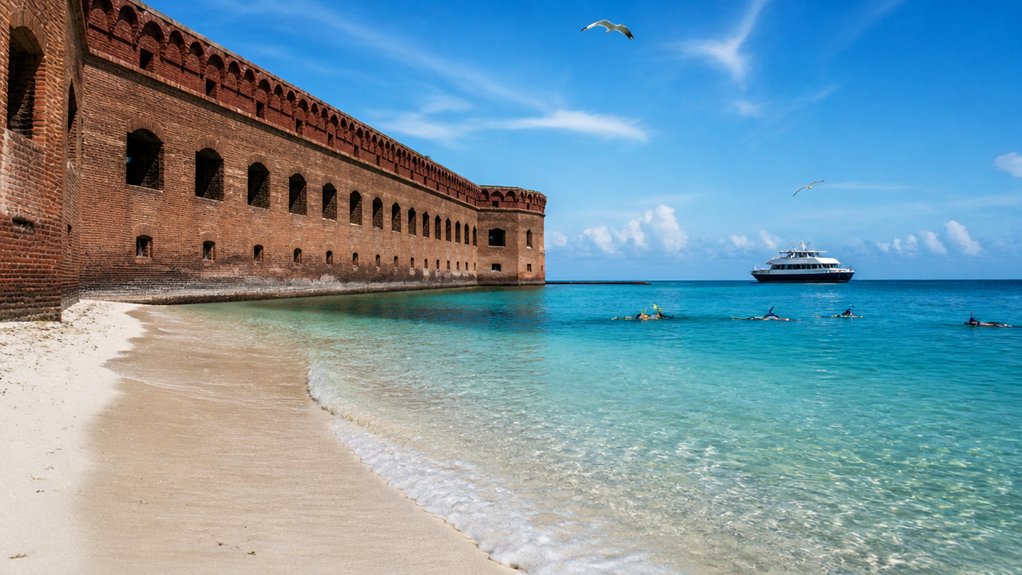
Think of Dry Tortugas National Park as a far-off outpost in the Gulf, about 70 miles west of Key West, where seven small islands rise out of a huge stretch of blue water. You reach these remote islands by the Yankee Freedom ferry or seaplane, and most people land on Garden Key. There, Fort Jefferson dominates the view with red brick walls, dark archways, and parade grounds that still feel stern and windswept. Dry Tortugas National Park covers about 101 square miles, yet almost all of it sits underwater. Its coral reefs, seagrass beds, shipwrecks, and snorkeling areas shape the park more than its tiny scraps of sand. The name tells a story too: dry means no fresh water, and tortugas points to sea turtles once gathered here by early sailors. The park is also famous for abundant bird life, adding another layer to its remote and wild character.
Why Visit Dry Tortugas National Park?
Because getting there takes real effort, Dry Tortugas feels like a reward from the moment you arrive. About 70 miles west of Key West, you step into bright water, open sky, and silence that crowded beaches can’t fake.
Hotels to compare for this guide
Compare a few stay options before you choose your base.

The Reach Key West, Curio Collection by Hilton
A beachfront Hilton Curio Collection resort in Old Town Key West with a private beach, pool, spa access, and easy access to Duval Street and Southernmost Point.
Check rates
Hyatt Vacation Club at Beach House, Key West
Stay in a classic Key West–style, tropical getaway set up as residential-style retreats with manicured gardens and beachside comfort. A connecting on-property dock makes it easy to rent a kayak and head out for Gulf of Mexico water adventures. Plan a vacation that feels more like having your own place by the water.
Check ratesSeventy miles past Key West, Dry Tortugas greets you with bright water, open sky, and a silence that feels earned.
- Explore Fort Jefferson on Garden Key and hear vivid Civil War stories.
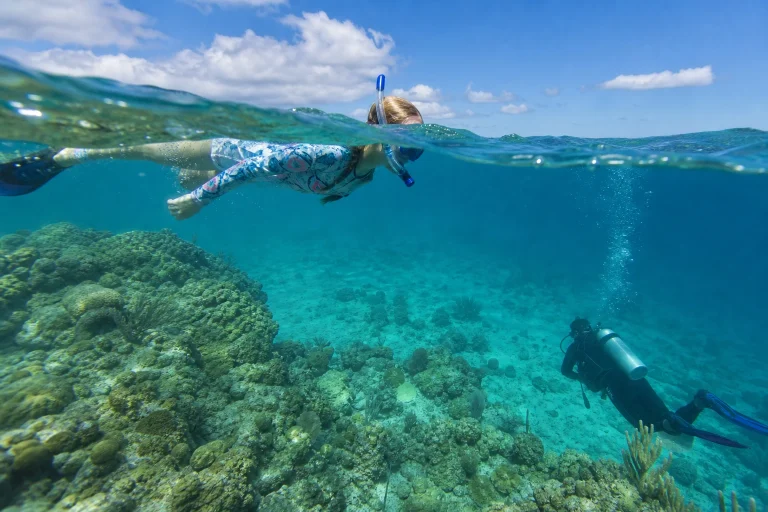
- Slip into shallow snorkeling water and spot a turtle, reef fish, and maybe a nurse shark.
- Enjoy Dry Tortugas as an uncrowded tropical escape with 99 percent underwater scenery.
- Dream bigger with overnight camping near waves, stars, and the distant Yankee Freedom ferry.
Fort Jefferson on Garden Key is the park’s centerpiece, and a Fort Jefferson guide can help you plan what to see and how much time to set aside. You visit for history, reefs, and that rare feeling of being wonderfully far away. Even the brick walls and salt air seem to whisper, stay a little longer if you can.
How Do You Get to Dry Tortugas?
Getting to Dry Tortugas is part of the adventure, and it takes more planning than a casual beach day in Key West. Most visitors ride the Yankee Freedom ferry, which leaves Key West around 8:00 a.m. after boarding. Your ferry ticket covers park entry, breakfast, lunch, and snorkel gear. After about 2.5 hours over bright blue water, you’ll step onto Garden Key and get 4 to 5 hours ashore. The Yankee Freedom ferry is the most popular way to get to Dry Tortugas from Key West.
If you want speed and aerial views, book a seaplane. It’s far quicker, costs much more, and seats disappear fast. Private boats and kayaks can also come, but docking is tight and you must check in on Garden Key. Reserve early, especially in hurricane season. If you want to camp overnight, secure permits months ahead.
Best Time to Visit Dry Tortugas
From January through March, Dry Tortugas usually shows off its easiest side. That’s peak season, and you’ll often get cooler air, clearer skies, calmer seas, and the most reliable ferry from Key West.
- April and May trim crowds without punishing heat.
- June through November is hurricane season, so storms can cancel boats fast.
- Winter and early spring usually give you the best snorkeling visibility and smoother rides.
- For camping, book months ahead and aim for late fall or early winter.
If you want the easiest time to visit Dry Tortugas, winter wins. Shoulder season still works well if your dates are fixed. Summer can look glassy underwater, but rough water may test your sea legs and your patience before the dock even appears ahead. Travelers comparing the ferry vs seaplane should know that calmer winter and early spring weather usually makes both options more reliable.
Best Things to Do in Dry Tortugas

Step onto Garden Key and Dry Tortugas quickly shows you its greatest hits. Start with Fort Jefferson, where a free 45-minute ranger tour brings brick corridors, cannons, and Civil War stories to life. Then climb the ramparts for Gulf views and salty breezes.
Back at the shore, go snorkeling in the clear shallows off Garden Key. The underwater trail and reef areas reveal coral, reef squid, sea turtles, and flashes of tropical fish. If you arrive on the Yankee Freedom, you can use the provided gear. Save time for a swim or beach break on the white sand. If you stay longer, camping lets sunrise and stargazing steal the show. During migration, birdwatching around Loggerhead Key turns every scan into a treasure hunt on your day trip. Because of the park’s remote location, visitors should bring their own food, water, and other supplies for the day.
How to Plan a Dry Tortugas Day Trip
You’ll want to book the Yankee Freedom ferry or a seaplane well ahead, because seats go fast and this remote trip runs on a tight clock. If you take the ferry, you’ll board in Key West at 7:00 a.m. for an 8:00 a.m. departure and settle in for a 2 to 2.5 hour ride across bright open water, while the seaplane gets you there much faster for a much steeper price. Plan for an early start, possible seasickness, and a full day that still gives you only a handful of hours on the island, so every minute counts. A well-planned day adventure helps you make the most of your limited time in Dry Tortugas National Park.
Still comparing Dry Tortugas National Park?
Ask for tour ideas, hotel suggestions, or a simple trip plan that combines both.
Trip Helper
Ferry Or Seaplane
For most travelers, the big Dry Tortugas decision comes down to time versus thrill: ride the Yankee Freedom ferry or splurge on a seaplane.
- From Key West, the ferry ride takes 2 to 2.5 hours each way.
- Yankee Freedom folds in park entrance, breakfast, lunch, and snorkel gear.
- A seaplane cuts travel time to 40 to 60 minutes and adds dazzling aerial views.
- Ferry tickets cost far less, while seaplane passengers pay the park entrance separately.
Both ferry and seaplane visitors arrive on Garden Key, the park’s primary landing point for these services. If you want a smoother, social crossing, choose the ferry. If you want more time ashore and a wow-factor arrival, pick the plane. Either way, you’ll step onto Garden Key ready to explore. Just think about your budget, your sea legs, and booking in advance for the trip.
Timing And Reservations
Because Dry Tortugas day trips run on a tight clock, it pays to book early and sketch out your hours before you ever leave Key West. On Yankee Freedom, book well in advance, especially for peak season (Jan–Mar), when 175 seats vanish fast. Watch the ferry check‑in/departure times: 7:00 a.m. check-in, 8:00 a.m. departure, then a 2 to 2.5 hour ride each way. You’ll get 4 to 5 hours ashore, enough for the fort tour, a snorkel over fish, and a beach stop if you move briskly. For seaplane vs ferry, weigh time against cost. Seaplanes cost more and charge park entry separately. Shoulder season (Apr–May) feels ideal, while you should avoid hurricane season (Jun–Nov). If you want magic, make camping reservations months ahead. Overnight stays are limited, so securing a campsite reservation as early as possible is essential if camping is part of your plan.
Where to Stay in Key West for Dry Tortugas

You’ll want to stay in Old Town or Stock Island so you can reach the Yankee Freedom terminal without a dawn-time scramble. Places like The Marker Harbor Resort put you close to the 7 a.m. check-in, while nearby cafés like Cuban Coffee Queen help you start the morning with strong coffee and zero drama. If you want something stylish after your return, you can also look at hotels near Duval Street, where dinner, music, and a soft bed feel especially well earned. For a smoother trip, focus on best places in Key West that balance easy terminal access with walkable restaurants and evening entertainment.
Best Areas To Stay
Most Dry Tortugas trips start in Key West, so it pays to stay close to the ferry terminal and skip a pre-dawn scramble across town. There’s no lodging at Dry Tortugas, so your best base is Key West before a Yankee Freedom ferry or seaplane ride to Fort Jefferson.
- Stay near the terminal for the 7:00 a.m. check-in.
- Choose Old Town for walkable streets, food, and easy morning routes.
- Pick Duval-adjacent inns if you want budget options, but book early in peak season.
- If you’re camping, reserve Key West rooms early and factor in parking costs.
Old Town’s walkable streets make it especially convenient for travelers heading to Dry Tortugas at dawn.
Rooms and ferry seats vanish fast from January through March. The seaplane is quicker, but the ferry costs less and leaves you extra cash for conch fritters afterward.
Top Key West Hotels
Set yourself up for an easier park day by booking a Key West hotel near the historic seaport or Mallory Square, where the streets stay walkable and the Yankee Freedom ferry terminal sits close by for that 7:00 a.m. check-in. For polished waterfront style, try The Marker Waterfront Resort, which puts you near Old Town’s galleries, shrimp boats, and sunset bustle. Margaritaville Beach House Key West suits you if you want a larger resort feel. If boutique charm sounds better, Kimpton Lighthouse Hotel gives you a pool, Isabel’s Bar, and quick Old Town access. Casa Marina Key West adds classic seaside grandeur. If you plan to rent a car, prioritize free parking when comparing Key West hotels. Whatever your Key West lodging style, book months ahead for winter. Rates rise fast, rentals disappear, and driving means parking costs around $40
Near Ferry Terminal Options
Zeroing in on a hotel near Mallory Square makes the Dry Tortugas ferry day feel far less frantic. In Key West, hotels near ferry docks cut the scramble before the 7 a.m. check-in at Yankee Freedom.
- Pick The Marker Waterfront Resort if you want the ferry terminal a short walk away.
- Choose Casa Marina or Margaritaville Beach House for a beach mood plus easy shuttle/taxi arrangements.
- Book an Old Town guesthouse near Duval Street for lower rates and a quick 5 to 10 minute ride.
- Sort parking early, since the ferry terminal can cost about $40 daily, or grab breakfast at Cuban Coffee Queen before boarding.
If you want nightlife and dining after your ferry day, Duval Street hotels make a convenient Old Town base.
You’ll save stress, hear gulls instead of alarms, and start the trip with coffee, sea air, and a grin.
Frequently Asked Questions
Is There Cell Phone Service in Dry Tortugas National Park?
No, you won’t get reliable cellular coverage; you’ll need satellite access for emergency communication. Download offline maps, carry signal boosters if you can, avoid boat dead zones, watch roaming charges, and don’t expect park transmitters.
Are Pets Allowed on the Ferry or in the Park?
No—you can’t bring pets on most pet friendly ferries or into the park; pet restrictions allow only service animals for medical needs. Follow leash rules during boat boarding, avoid wildlife interactions, and skip overnight camping.
What Should I Pack for a Dry Tortugas Visit?
Pack blazing-sun armor: you’ll need water, snacks, a hat, sunglasses, sturdy shoes, swim gear, and a towel. Bring Sunscreen essentials, including Reef safe lotions, plus motion sickness meds, a camera, and your snorkeling gear too.
Are There Restrooms and Drinking Water Available?
Yes, you’ll find restroom locations with accessibility restrooms, portable toilet options, and handwashing facilities, plus drinking water availability through water refill stations and bottle filling stations; however, you should confirm water quality before you drink.
Should I Worry About Seasickness on the Ferry?
Yes—coincidentally, if sea conditions worsen, you’ll feel motion sickness during the ride duration, so check the weather forecast, use medication options, practice calm day tips, choose seat selection, and expect dry landing effects to help.
Conclusion
You’ll leave Dry Tortugas with salt on your skin and Fort Jefferson still glowing red in your mind. Seventy miles from Key West, the park feels improbably far from traffic and close to wild water, where parrotfish click over coral and frigatebirds circle overhead. If you book early, pack sun gear, and watch the ferry clock, you’ll get a day that feels larger than the map. It’s remote, bright, and just strange enough to linger.