Key West Flats Fishing: What to Expect
Learn what to expect on a Key West flats fishing trip, from stealthy skiffs to lightning-fast strikes that can change everything.
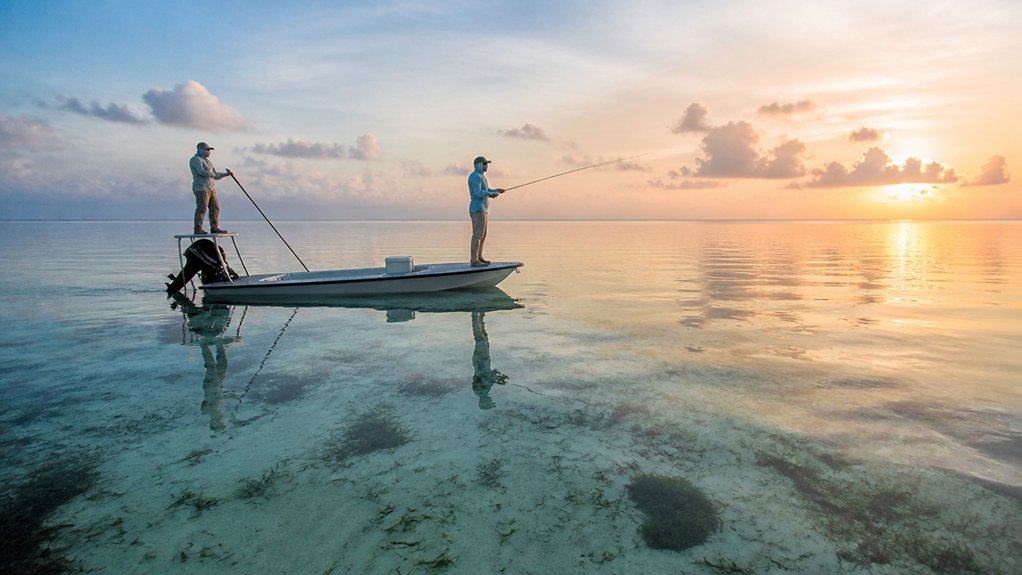
You step onto a skiff at first light and the flats look almost unreal, clear water over pale sand, turtle grass, and nervous bait flicking at the surface. Your guide poles quietly while you scan for tails, shadows, and the slow roll of a tarpon. Some shots happen in seconds. Others test your patience and your casting arm. The reward can be a bonefish streaking off like it has somewhere urgent to be.
Choose the fishing style first, then the charter.
Key West has serious variety, from tarpon and bonefish to reef species and deep-sea runs. Start by comparing the kind of day each charter offers.
Browse fishing charters →Key Takeaways
- Key West flats fishing means sight-casting in shallow, clear water by wading or poling a skiff across grass, sand, and mangrove-lined edges.
- Expect to target bonefish year-round, tarpon in spring and summer, and permit most consistently from June through August.
- Best conditions usually combine calm weather, clear water, and moving tide, especially incoming high tide at dawn or dusk.
- Guides look for tails, wakes, rolling fish, bait flashes, and nervous water near channels, grass beds, mangroves, and shallow structure.
- Trip options range from beginner-friendly half days to full days for remote flats, tarpon hunts, or a possible Grand Slam.
What Is Key West Flats Fishing?
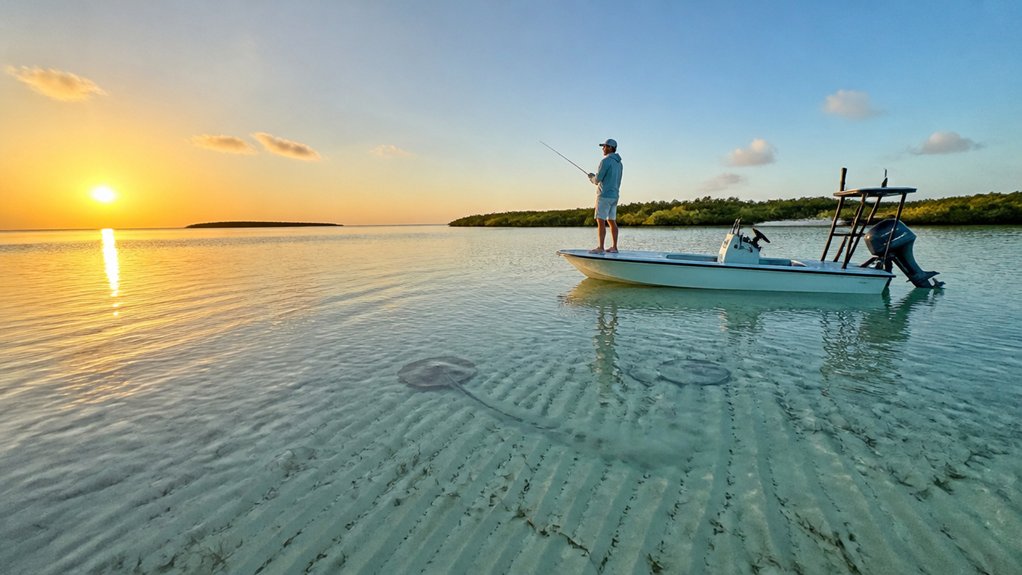
What makes Key West flats fishing so addictive? You’re hunting in skinny, crystal clear water where every shadow matters and every cast feels personal. The flats are often knee deep to just a few feet deep, so you can actually see the game unfold. You might wade quietly, glide while a guide poles a skiff, or fish from a shallow draft bay boat built for stealth and precision. The rhythm is simple and thrilling. Scan. Spot. Cast. Adjust. Repeat. Spring brings hungry movement, while dawn, dusk, and rising tides often sharpen the action. You’ll use fly or spinning gear matched for accurate presentations in wind and glare. It’s technical without feeling fussy. Bring your Florida license, respect the rules, and chase that elusive Flats Grand feeling. Many anglers book Key West fishing charters to learn these shallow water tactics from guides who know the tides, light, and fish behavior.
Which Fish Can You Catch on Key West Flats?
Scan the flat long enough and a whole cast of fish starts to appear, from the famous tarpon, bonefish, and permit to redfish, snook, jacks, barracuda, snappers, and even the occasional shark sliding through the shallows.
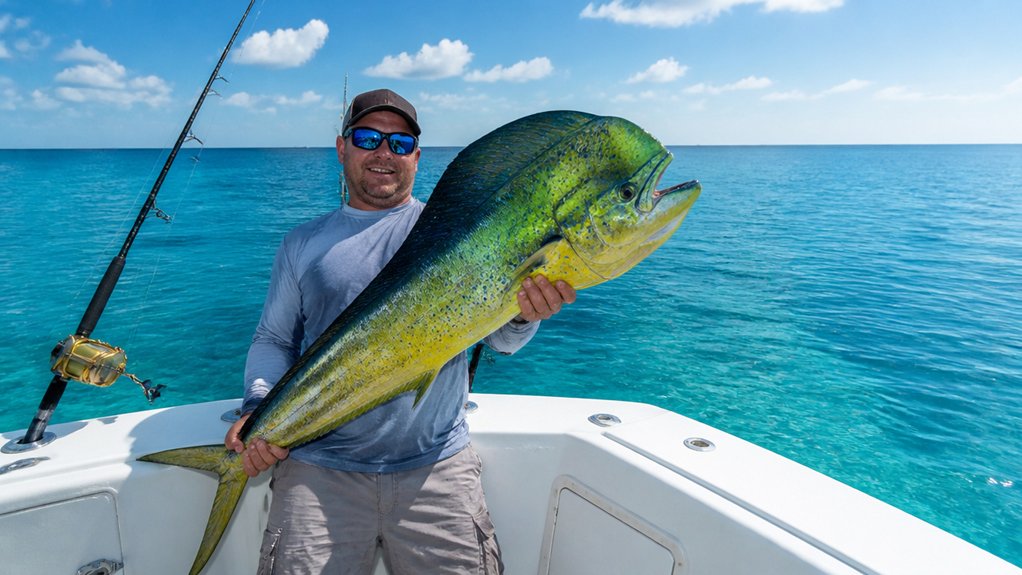
On the flats of Key West, you’ll often sight-cast to tarpon and bonefish first. Tarpon grow huge, explode on the surface, and test your nerves with wild runs. Bonefish ghost across sandy, grassy water, then burn line on light spin or fly gear. Permit are the wildcard. They tail, cruise, and hunt crabs with a talent for refusing the wrong offering. Beyond the big three, you might find redfish near mangroves, snook along edges, hard-charging jacks, toothy barracuda, snappers, and an occasional shark that makes you glance down twice. Because sight-fishing often means standing and moving on deck while underway, wearing a life jacket is one of the smartest ways to stay safe on the flats.
When Is Key West Flats Fishing Best?
You’ll usually find the best Key West flats fishing in spring and summer, when fish feed hard, the water warms, and early fall gives you a real shot at a Flats Grand Slam. You’ll also do better when you time your trip around moving tides and the low-angle light at dawn or dusk, when the flats glow, bait flickers, and fish start to hunt. On calm, clear days with a good high tide, you can spot more fish over the sandy grass and make cleaner shots, which is reason enough to check the forecast like it owes you money. If you’re planning a full outdoor itinerary, scuba diving tours are also one of the top experiences in Key West when conditions are calm and clear.
Seasonal Peak Windows
If you want the broadest shot at classic Key West flats action, aim for spring through summer, with early fall close behind. That’s when Key West Fishing feels most alive on the skinny water, and you can chase a richer mix of fish across bright, remote flats.
- Spring brings pre-spawn energy, migrating tarpon, and more open water to explore.
- Summer turns up the heat, with June through August standing out for permit.
- Early fall still offers strong mixed-species action, including bonefish, barracuda, and sharks.
You’ll find bonefish reliably catchable through the warmer months, while winter usually shifts attention toward protected bays and species like jacks, snappers, seatrout, and mackerel. That seasonal swing keeps every trip a little different, which is part of the fun. For travelers mixing fishing with time on the water, reef snorkeling and sandbar trips are also popular seasonal add-ons in Key West.
Tides And Daily Timing
Because the flats change by the hour, the best Key West days start with the tide chart, not the clock. You’ll usually fish best around a high tide, especially near the peak of the incoming tide, when moving water bunches bait and wakes up tarpon, bonefish, and permit.
Dawn and dusk give you that low light edge, with rolling tarpon and sudden pops along the surface. On calm, bright days, you can sight-cast across clear water to bonefish and permit tailing over pale sand. Light wind helps you stay quiet. Strong wind often sends guides into protected backcountry creeks. That’s why local reports matter so much. Your captain will watch bait, recent catches, and tide shifts, then slide your time to match the window. If you’re moving between flats by boat, watch for diver-down flags and give them plenty of space, especially during busy morning and evening windows.
How Do Tides Affect Key West Flats Fishing?
Often, the tide is the real clock on the Key West flats. You’ll usually fish best on an incoming high tide, when shallow grass and pale sand flood with bait and cruising tarpon, bonefish, and permit slide within sight-casting range.
- Fish moving water, not slack tide, because current seams gather bait and spark eats.
- Pair dawn or dusk with a favorable tide for better visibility, cooler light, and more active predators.
- Check tide charts, recent reports, and Fishing Rules, since strong flushing can change clarity, access, and wading options fast.
Higher water lets you wade onto flats that were dry an hour earlier. Lower water reveals bars and troughs that bunch fish tighter. Pick your tide height to match your technique, then stay curious. After a session on the water, nearby spots like Fort Zachary Taylor can offer a calm beach-and-park setting to unwind and watch the changing shoreline.
Where Are the Best Key West Flats Areas?
You’ll find some of Key West’s best sight-fishing water on the Gulf side south of the island, where clear skinny flats stretch toward the refuge and every ripple can make you look twice. As you move through nearby waters, focus on tidal channels, mangrove edges, and sandy or grassy flats near bridges and piers, because that structure stacks bait and pulls in tarpon, bonefish, and permit. If you want to fish smarter, check satellite maps and local reports before you go, since wind, tide, and moving bait can reshuffle the whole game by lunchtime. Nearby paddling routes through mangrove trails can also reveal sheltered backcountry habitat where birds, fish, and other wildlife concentrate along the edges.
Compare Key West fishing charters before choosing a boat.
Flats, reef, backcountry and deep-sea trips are very different days on the water. Match the charter style to the kind of fishing you actually want.
Compare Key West fishing charters →Gulf-Side Productive Flats
Start on the Gulf side and the picture sharpens fast: some of the best Key West flats spread across the clear, shallow water just south of the island and around the Key West National Wildlife Refuge, all within quick reach of downtown launch points. If you’re already planning island logistics, Dry Tortugas trips also depart from Key West, which helps frame how central the harbor is for reaching nearby waters.
For fishing the flats, you’ll look for:
- grassy sand pockets
- tidal channels by mangroves
- shallow rock piles on west and northwest edges
Incoming and high tides push bait across these calmer backcountry areas, and that’s when tarpon, bonefish, and permit show best. June through August is prime for permit. Spring and summer keep tarpon and bonefish busy too. Use satellite maps and a local captain to cut search time and find cleaner shots before the sun gets rude overhead daily.
Refuge And Nearby Waters
If you want the classic Key West flats picture, look just south of the island and west toward the Key West National Wildlife Refuge, where broad grass-and-sand shallows glow pale green in the sun and fish stand out like moving shadows.
From Key West, you can make a short run to these Gulf-facing flats and start sight-fishing right away. Bonefish cruise the shallows all year, tarpon show in late spring and summer, and permit peak from June through August. Backcountry fishing here feels close and wild at once, with ankle-to-knee-deep water, bright bait flashes, and tails. Time your trip around moving tides, because bait pushes onto the flats and the bite jumps. Bring your Florida saltwater license, check FWC rules, and enjoy access.
Channels, Mangroves, Structure
The real sweet spots around Key West often sit where a broad flat suddenly gains an edge, whether that edge is a narrow channel, a mangrove cut, or a patch of hard structure. On these Flats, you’ll find bait stacked along current seams, shaded roots, and deeper pockets where predators wait. Follow the tide and the scene changes fast, from slick calm sand to nervous mullet flicking over turtle grass. Before running between these areas, review Florida boating regulations so you can navigate safely and legally around channels, mooring zones, and shallow habitat.
- Narrow channels funnel bait and give tarpon and permit easy hunting lanes.
- Mangrove cuts hide snook, redfish, and rolling tarpon on incoming water.
- Rock piles and shallow wrecks hold snapper, jacks, and barracuda when wind muddies the open flat.
Try nearby seagrass edges for clear bonefish shots when calmer weather lets you really see.
How Do Key West Flats Guides Find Fish?
What gives a Key West flats guide that almost spooky knack for finding fish? Your fishing guide reads the tide first. Incoming water and outgoing flow push bait onto grassy and sandy flats, and that switch can light up tarpon, bonefish, and permit. Then you use maps, aerial images, and local charts to mark mangrove edges, troughs, grass beds, oyster bars, and deeper shootouts.
On the water, guides move quietly and watch hard. You look for tails, wakes, rolling fish, dark shapes, or a nervous slick on the surface. They also track mullet, threadfins, shrimp, and crabs, plus reports, then adjust fast when wind or tide shifts bait. Their local experience in deep sea fishing around Key West also helps them read bait movement and seasonal patterns across nearby waters. Season matters too. Spring and summer favor tarpon. Permit shine in summer. Bonefish like calm days.
Should You Wade or Fish From a Skiff?
While both options can put you on fish, wading and fishing from a skiff feel like two very different Key West days.
- Choose wade fishing for calm, clear shallows and close sight-casts to bonefish and permit.
- Pick a skiff when you need range, deeper water access, or a shot at tarpon and permit.
- Expect more space, height, and guide support on a skiff, especially for small groups.
If tides, access, and weather line up, wading lets you move quietly through knee to chest deep water and spot fish like pale shadows over sand. It feels hands-on and wonderfully direct. A skiff, by contrast, helps you cover distant flats and channels fast. You stand higher, see farther, and let the guide handle the puzzle of tides. If you’re planning to explore on your own before or after a guided trip, understanding boat rentals in Key West can help you match the right vessel to local conditions.
What Gear Works for Key West Flats Fishing?
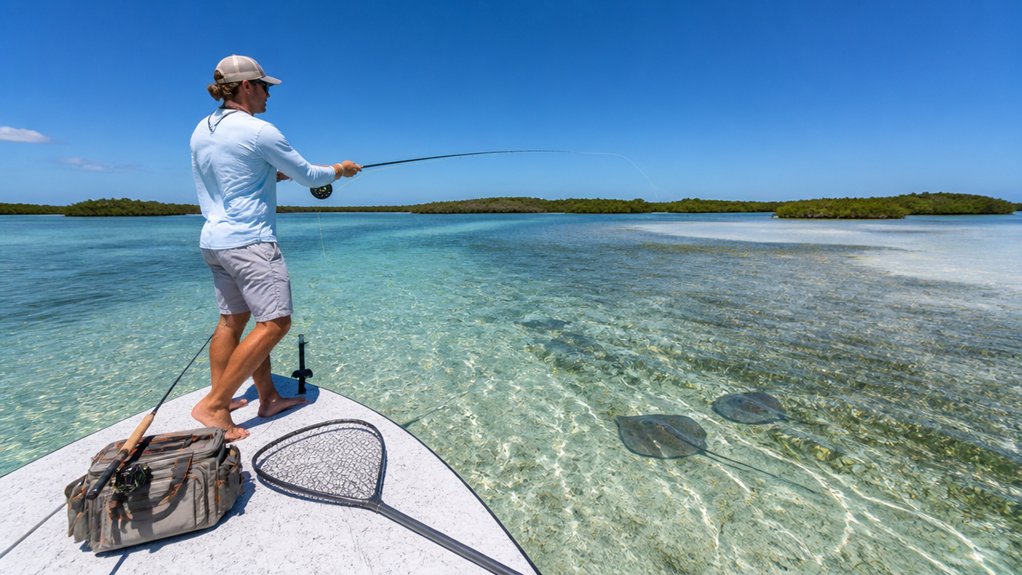
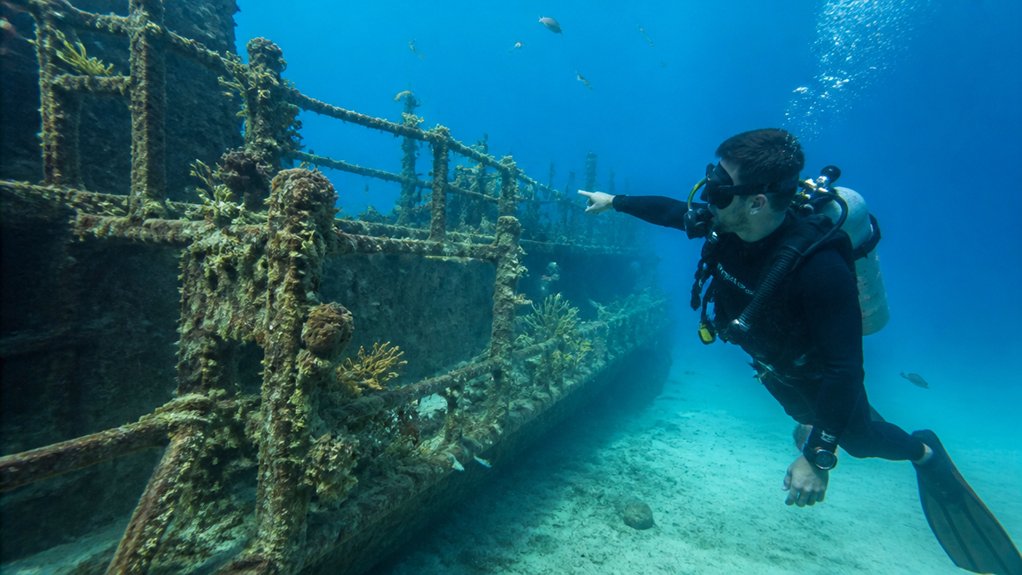
You’ll fish the flats better when your rod, reel, and line match the water in front of you, whether that means a medium spinning setup with braid and fluorocarbon or a fast 7-weight fly rod that’s ready for the wind. You’ll also want a smart mix of baits, flies, and lures, from soft swimbaits and spoons to shrimp, crabs, and shallow patterns that land soft on clear water. Add polarized sunglasses, spare leaders, and pliers, and you’re set to spot tails, make clean casts, and avoid fumbling around when the flat suddenly comes alive. While planning your tackle, it also helps to know Key West is known for historic shipwrecks, a reminder of how varied the local waters can be.
Rods, Reels, And Line
Start with a medium to medium-heavy spinning rod and a 4000 to 5000 size reel, because that setup gives you the reach, control, and stopping power Key West flats demand when a tarpon suddenly lights up or a jack rips off across shin-deep water. Spool it with 10 to 15 pound braid and a 30 pound fluorocarbon leader.
- Pack spare 30 to 50 pound leaders and extra braid.
- Add circle hooks, 2/0 or larger, for bait.
- Keep a light rod handy for barracuda and smaller inshore fish.
If you also carry fly fishing gear, keep it simple and salt-safe, then match lures to depth, from spoons and flukes to topwaters and jigged swimbaits. Corrosion-resistant reels save headaches after long, salty days on the flats home. Like many Key West tours, flats fishing trips also work best when you know what to expect before heading out.
Fly Gear Essentials
Step onto a Key West flat with a fast-action 7-weight saltwater fly rod, and the whole place begins to make sense. You’ll want a short, stout leader in 20 to 30 pound fluorocarbon or mono, plus a 20 to 30 inch tippet that can take shell, teeth, and hard runs. If tarpon roll nearby or you’re casting tight to structure, bump that strength past 30. Keep spare leaders and tippet ready because flats Fishing changes fast. Pack hook sizes from #6 up to 2/0, and bring corrosion resistant forceps, clippers, and pliers for quick swaps and releases. Weed guards help in mangroves and skinny water where grass grabs everything. Like a Key West Jet Ski Tour, the right setup can make your time on the water feel more worth it from the first cast. You hear line hiss, see pale sand flash under glare, and realize fly gear isn’t fancy here. It’s your passport to casts.
Baits, Flies, And Lures
Pack a mix of baits, flies, and lures, because Key West flats rarely hold still for one idea. On spinning tackle, you’ll cover water with swimbaits, flukes, spoons, and jerkbaits, then switch to mullet or pilchards when fish get picky.
- Freeline shrimp, pilchards, or live crabs for permit and tarpon.
- Throw topwater plugs at dawn or dusk when the surface pops.
- Use jig-head swimbaits or crab imitations near wrecks and hard edges.
If you fly fish, start with dry flies for surface feeds and wet flies in deeper lanes, plus shrimp or crab patterns below. Match size and profile to local forage and water clarity. Circle hooks, 2/0 or larger, help with live bait. Lighter 12-pound setups keep barracuda honest on calm bright winter mornings. If you also plan to target lobster around Key West, remember minimum size limit rules require a carapace length larger than 3 inches and a measuring device in your possession at all times.
Which Baits, Flies, and Lures Work Best?
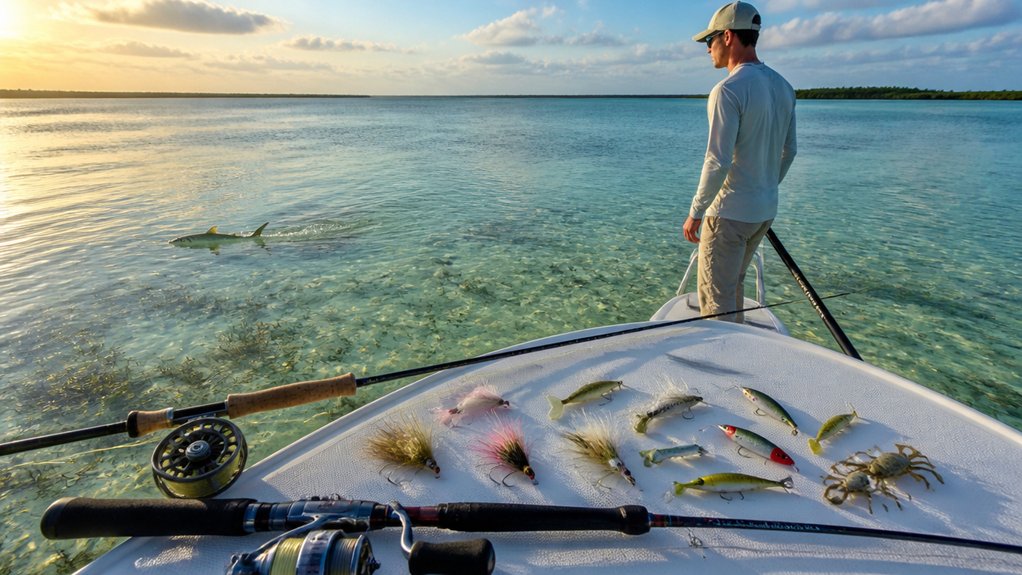
Choose your offering like it matters, because on the Key West flats it usually does. Fishing in Key West rewards matching bait to the fish and the water you see. For tarpon, snook, and permit, free-line threadfin herring, mullet, pilchards, shrimp, or a fiddler crab. Add only a tiny split shot when current asks for it.
Permit love a live crab or a hard swimbait on a short, stiff leader. Use a 2/0 or larger circle hook and about 30-pound fluorocarbon. Bonefish favor a 7-weight fly rod with shrimp, crab, tan and white deceivers, or small weighted shrimp patterns. When fish get pushy, throw flukes, spoons, jerkbaits, or topwaters. Dawn and dusk are prime. Deeper channels call for heavier jigged lures. Anglers who also enjoy snorkeling tours in Key West often notice how water clarity and current can influence what fish are willing to strike.
What Trip Length Is Best for Your Group?
Once you’ve matched the bait to the fish, the next call is how much time you want on the water. Your group size, skill level, and target species shape the best fit, and Key West gives you plenty of opportunities. For travelers planning around easy escapes, these trip lengths also make it simple to fit flats fishing into a broader Key West itinerary.
Choose your time on the water around your crew, experience, and target fish—Key West offers the right fit.
- Half-day, 4 hours, $700: best for families, beginners, kids, and quick protected-water action.
- 3/4 day, 6 hours, $900: covers flats, channels, and mangroves for more variety.
- Full day, 8 hours, $1100: best for remote flats, shallow wrecks, or a Grand Slam shot.
If you’re new, shorter trips keep things fun and focused. If you’re chasing tarpon, bonefish, or permit, longer days help you follow tides, fish dawn or dusk, and adjust when conditions change. You’ll hear skiffs hum and see slick water light up.
What’s Included on a Key West Flats Charter?
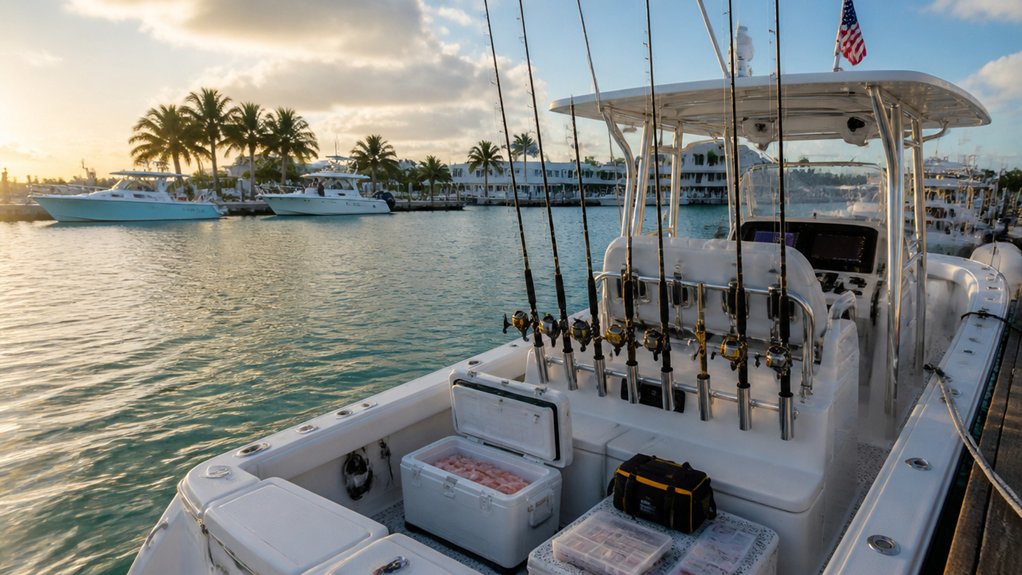
Show up at the marina, and your Key West flats charter usually has the essentials lined up before the skiff even leaves the dock. For one to four anglers, you can expect rods, reels, tackle, live bait, ice, and a fully rigged boat built for skinny water. Most guides run 20 to 22 foot bay or backcountry boats that pole quietly, slip through channels, and reach mangroves fast.
You also get the best part in Key West: a guide who knows the tides, weather, bait, and recent bite. They’ll rig spinning or fly tackle, explain sight casting, and coach your presentation when a tarpon flashes or a bonefish tips on the flat. They handle bait runs and daily planning too, so your day feels seamless, not scrambled. Like a complete guide, a good charter keeps every detail organized so you can focus on the water instead of the logistics.
What Licenses and Rules Do You Need?
Before you step onto the skiff, make sure your Florida saltwater fishing license is covered, because every angler on the Key West flats needs one.
Before you board the skiff, be sure your Florida saltwater license is squared away for the Key West flats.
- Buy a resident or non-resident license online, by phone, or in person.
- Check FWC rules for tarpon, bonefish, permit, snook, and redfish before your trip.
- Ask your captain about protected zones near Key West National Wildlife Refuge and Dry Tortugas.
On a charter, your guide often supplies the license, tackle, and local know-how. Still, you’re responsible for following the rules. Tarpon are usually catch-and-release, and many areas require careful handling. Use circle hooks and release fish quickly. Seasons, bag limits, and size limits shift by species and spot, so confirm details before lines hit water. It’s worth the check. In the Florida Keys National Marine Sanctuary, feeding fish from a vessel or while diving is prohibited.
Frequently Asked Questions
How Much Should You Tip a Key West Flats Fishing Guide?
You should tip a Key West flats fishing guide 15–20% of your charter cost; for standout service, bump Guide gratuity to 25%+. On shared trips, tip $10–$20 each, usually in cash afterward when you can.
Can Beginners or Kids Enjoy a Key West Flats Trip?
Yes, you can absolutely enjoy a Key West flats trip as a beginner or with kids. You’ll get gear, guidance, calm shallow water, and half-day options, making it a safe, Family friendly Adventure for everyone.
What Happens if Bad Weather Cancels Your Charter?
If bad weather cancels your charter, you’ll usually reschedule, get a refund, or receive credit under the Cancellation Policy. Your captain may switch to backcountry waters instead, and they’ll call before departure or return early.
Do You Need to Practice Casting Before a Flats Trip?
Yes—you should practice casting before a flats trip. Casting Basics sharpen your short, accurate presentations, help you handle wind, and improve hook-ups. You’ll make calmer, quicker shots at spooky fish and waste fewer chances there.
How Physically Demanding Is Key West Flats Fishing?
Like a marathon in miniature, you’ll face Moderate exertion: standing or wading for hours, balancing on uneven flats, casting repeatedly, and battling fish. Heat, wind, and sun can drain you, though charters lighten the load.
Conclusion
On the Key West flats, you’ll trade crowds for clear shallows, quiet skiffs, and the quick silver flash of a tailing fish. You’ll watch tides, scan mangrove edges, and cast with purpose while your guide handles the small stuff. Bring your license, sun gear, and a little patience. Then listen for push poles, feel warm water around your calves, and enjoy that bright, briny, bonefish-and-tarpon kind of magic before breakfast if the bite gets busy.